
Emma Brown
Featured
Emergency Plumbing Services: What to Do Before the Plumber Arrives
Plumbers
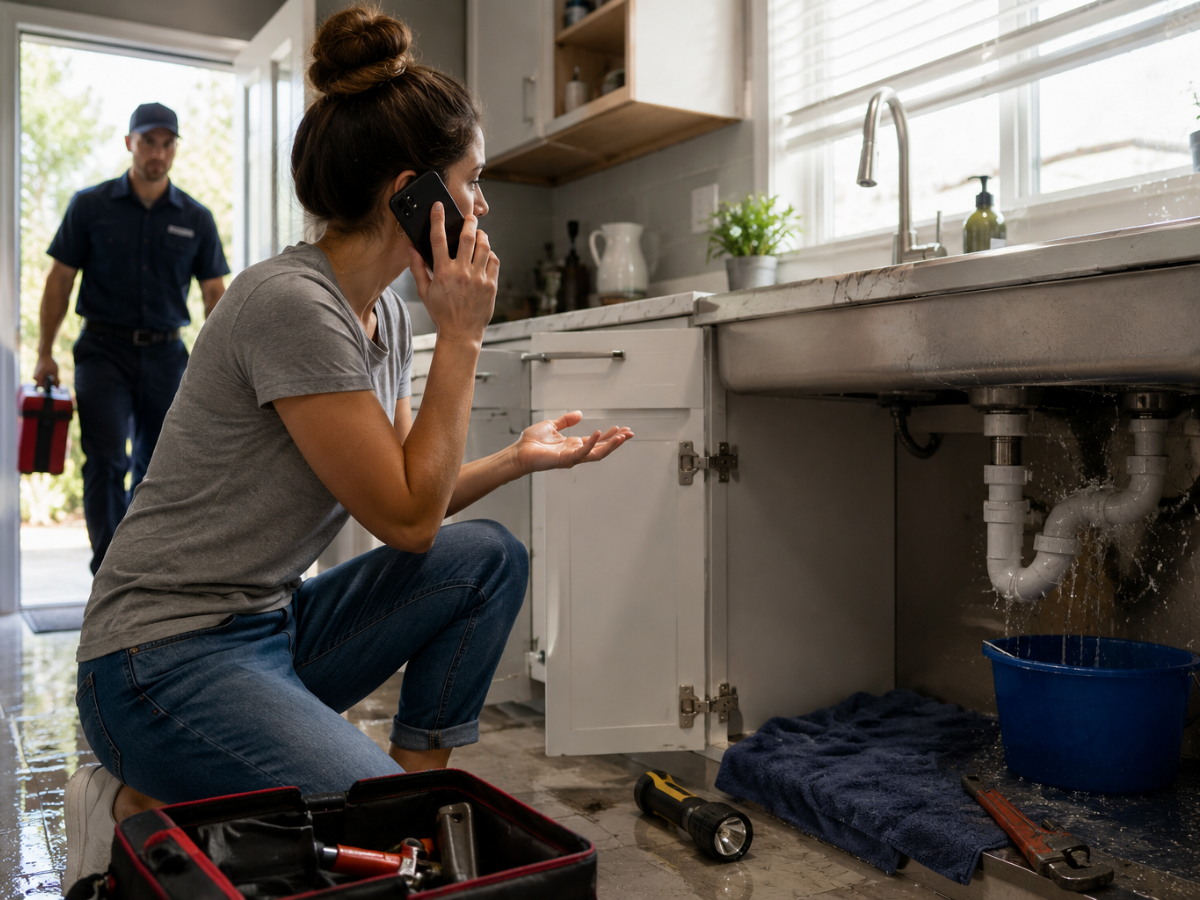
Plumbing emergencies can occur at any moment, be it a burst pipe, a blocked drain, or an overflowing toilet. In such stressful situations, staying calm and knowing what to do before a plumber arrives can help you avoid further damage.
Quick steps like shutting off the main water valve and protecting nearby belongings can significantly reduce water-related damage. Even simple actions taken immediately can make a big difference in preventing costly repairs and keeping your home safer.
This blog will guide you through the key things you should do during a plumbing emergency. You'll find easy, practical steps to help you manage the situation confidently while waiting for a professional plumber to take over.
Plumbing problems can be stressful and unpredictable, but you don’t have to handle them alone. When plumbing problems strike, you can count on @The Rooter Company. Call 714-706-1939 for responsive emergency plumbing services in Orange County. Their team is committed to providing quick solutions and minimizing damage to your property.
Common Plumbing Emergencies
Not every plumbing problem qualifies as a true emergency, but some situations demand immediate attention to prevent serious damage. This section breaks down the most common emergencies homeowners face, from burst pipes to sewage backups, so you can quickly recognize when fast action is necessary.
Recognizing the Warning Signs
Not every plumbing issue counts as an emergency, but some problems can't wait. Knowing the difference helps you respond quickly and avoid unnecessary panic over minor leaks while reacting fast to genuine threats.
Types of Situations That Need Immediate Attention
Burst or leaking pipes, overflowing toilets, sewage backups, broken water heaters, and flooded basements are among the most common scenarios that require fast action. Each of these can cause structural damage, mold growth, or contamination if left unattended for too long. A sudden drop in water pressure or an unexplained spike in your water bill can also signal a hidden leak that needs urgent plumbing repair before it worsens.
Want more calls for your plumbing business?
List your plumbing business on Yellow Pages California and reach customers who need urgent repairs, leak fixes, and 24/7 plumbing support. Click here to register.
First Step: Stay Calm and Assess the Situation
Panic is often the biggest obstacle to handling a plumbing emergency well. This section guides you through pausing for a moment, thinking clearly, and identifying the water source so you can act effectively and give the plumber accurate details later.
Why Panic Makes Things Worse
It's natural to feel anxious when water is pooling on your floor, but panicking often leads to poor decisions, like ignoring the main shut-off valve or stepping into electrically unsafe areas. Take a breath, and approach the problem methodically.
Quickly Identify the Source
Before doing anything else, try to locate where the water is coming from. Is it a pipe under the sink, the water heater, the toilet, or an exterior wall? Identifying the source helps you communicate clearly with the plumber and decide which immediate action to take first.
Shut Off the Water Supply Immediately
This is the single most damage-reducing action you can take during a plumbing emergency. Here, you'll learn how to find your home's main shut-off valve and when it makes sense to use a localized valve instead, stopping the flow of water before it causes further harm.
Locate the Main Water Valve
Every home has a main water shut-off valve, usually near the water meter, in the basement, or close to where the main line enters the house. Knowing its location ahead of time (not during a crisis) can save you precious minutes when every second counts.
Turn Off Localized Valves When Possible
If the issue is isolated to a single fixture, such as a toilet or sink, you may only need to shut off the localized valve beneath that fixture instead of the entire house. This keeps water running elsewhere while stopping the immediate problem. For a burst pipe repair emergency, however, shutting off the main valve is usually the safest and fastest option.
Protect Your Home and Belongings
Once the water flow is under control, the next priority is safeguarding your home and the people in it. This section covers moving valuables out of harm's way and cutting electricity in affected areas to prevent shock hazards while water is present before plumber services arrive to assess and resolve the issue.
Move Valuables to Safety
Once the water is under control, shift furniture, electronics, rugs, and important documents away from the affected area. Water spreads quickly, and items left in its path can suffer irreversible damage within minutes.
Shut Off Electricity in Affected Areas
If water is near outlets, switches, or appliances, turn off the electricity at the breaker box for that section of the house. Mixing water and electricity is dangerous, and this step should never be skipped, even in the rush of an emergency.
Minimize Water Damage
With the immediate danger contained, it's time to limit how much damage the water actually causes. This section walks through removing standing water, improving ventilation to prevent mold, and containing active leaks until the plumber takes over.
Start Removing Standing Water
Use towels, mops, a wet/dry vacuum, or buckets to remove as much standing water as possible. The longer water sits, the more it seeps into flooring, walls, and furniture, making cleanup harder and more expensive later.
Improve Ventilation and Airflow
Open windows, turn on fans, or use a dehumidifier if you have one. Good airflow speeds up drying and reduces the risk of mold and mildew forming in damp corners, carpets, or behind walls.
Catch and Contain Leaking Water
Place buckets, basins, or towels under active leaks to limit the spread. If you're dealing with a ceiling leak, a small hole poked at the lowest point of a bulging area can help release trapped water in a controlled way, preventing a larger ceiling collapse.
Avoid Common Mistakes
In the rush of an emergency, it's easy to make choices that worsen the problem. This section highlights the risky shortcuts to avoid, including harsh chemical cleaners, amateur pipe repairs, and ignoring small leaks that could signal a bigger issue.
Don't Use Chemical Drain Cleaners
When facing a clogged or backed-up drain, it might be tempting to pour chemical cleaners down the pipe. However, these can react badly with certain pipe materials or with whatever is causing the blockage, sometimes making the problem worse or even hazardous for the plumber to handle later.
Don't Attempt Complex DIY Repairs
Tightening a loose fitting or plunging a toilet is reasonable, but attempting to cut, weld, or replace pipes yourself without proper training can lead to bigger leaks, injury, or code violations. Leave structural repairs to a professional offering urgent plumbing repair services.
Don't Ignore Small Leaks
A small drip might seem harmless, but it can indicate a much larger issue building up behind a wall or under the floor. Ignoring it now often means a costlier, messier emergency plumbing service call later.
What to Do While Waiting for the Plumber
While you wait for help to arrive, there's still useful work you can do to make the repair go smoothly. This section covers documenting the damage, clearing access to the problem area, and keeping children and pets safely out of the way.
Document the Damage
Take photos and videos of the affected areas before you start cleanup. This documentation is useful for insurance claims and gives the plumber a clear picture of what happened before they even arrive.
Keep the Area Accessible
Clear a path to the problem area so the plumber can get to work immediately upon arrival. Move boxes, furniture, or clutter that might slow them down, especially if the issue is in a basement, crawlspace, or under a sink.
Gather Relevant Information
Note when the issue started, what you've already done (like shutting off valves), and any unusual sounds or smells beforehand. This information helps the plumber diagnose the problem faster and recommend the right water leak emergency repair solution.
Keep Pets and Children Away
Wet floors, exposed pipes, and tools can pose safety risks. Keep children and pets in a separate, dry area of the home until the repair is complete.
When to Call Emergency Plumbing Services
Some situations are simply too serious to handle alone and require professional intervention right away. This section explains the clear warning signs that mean it's time to call for help, along with tips on choosing a dependable, round-the-clock plumbing service.
Signs You Need Help Right Away
If you notice flooding, sewage backup, a complete loss of water pressure, a gas smell near your water heater, or water leaking through ceilings and light fixtures, it's time to call for professional help without delay. These situations typically point to issues that go beyond a simple DIY fix and need trained intervention.
Choosing the Right Plumbing Service
When searching for "emergency plumber near me," look for a licensed and insured company with strong local reviews, transparent pricing, and proven experience handling urgent situations. A reliable 24/7 emergency plumber should be reachable at any hour, since plumbing disasters rarely happen during convenient business hours.
Why Professional Emergency Plumbing Services Matter
Trying to manage major plumbing failures alone can lead to recurring problems, code violations, or voided warranties on fixtures and appliances. Professional emergency plumbing services bring the right tools, parts, and expertise to fix the issue correctly the first time, saving you from repeat repairs and additional stress.
Conclusion
Plumbing emergencies are unpredictable, but how you respond in the first few minutes can make a huge difference in protecting your home and belongings. Staying calm, shutting off the water supply, safeguarding your valuables, and avoiding common mistakes are all simple yet powerful steps anyone can take.
While these actions help control the situation temporarily, they're not a substitute for professional repair. Reaching out to a trusted plumbing emergency service ensures the root cause gets fixed properly, preventing the same issue from resurfacing down the line.
The next time disaster strikes your pipes, you'll know exactly what to do, and exactly who to call, before things get out of hand.
FAQs About Emergency Plumbing Services
What should I do immediately if a pipe bursts in my California home?
If a pipe bursts, the first step is to shut off your home’s main water supply to stop flooding. Then, turn off electricity in affected areas if water is near outlets, and remove valuables from the area. This helps reduce damage while you wait for an emergency plumber.
How do I know if I need an emergency plumber in Los Angeles or anywhere in California?
You likely need emergency plumbing services if you notice flooding, sewage backup, no water supply, or water leaking from ceilings or walls. These issues can quickly cause structural damage and should be handled by a licensed 24/7 plumber immediately.
How much does emergency plumbing cost in California?
Emergency plumbing costs in California vary depending on the severity of the issue, time of service, and required repairs. On average, after-hours or urgent repairs may cost more than standard visits due to immediate response and labor charges.
Can I turn off the water supply myself during a plumbing emergency?
Yes, most homeowners in California can safely shut off the main water valve during an emergency. It is usually located near the water meter or where the main line enters the home. If the issue is isolated, you can also use a localized shut-off valve under sinks or toilets.
Who should I call for 24/7 emergency plumbing services in California?
For fast and reliable help, you can contact trusted local professionals like The Rooter Company at 714-909-1490. Their team provides prompt emergency plumbing support to minimize water damage and handle urgent repairs anytime.
Suggestions
Emily Johnson
Olivia Claymore
Olivia Claymore
Olivia Claymore