
Olivia Claymore
Featured
Plumbing Repair Services: What Every Homeowner in California Should Know
Plumbers
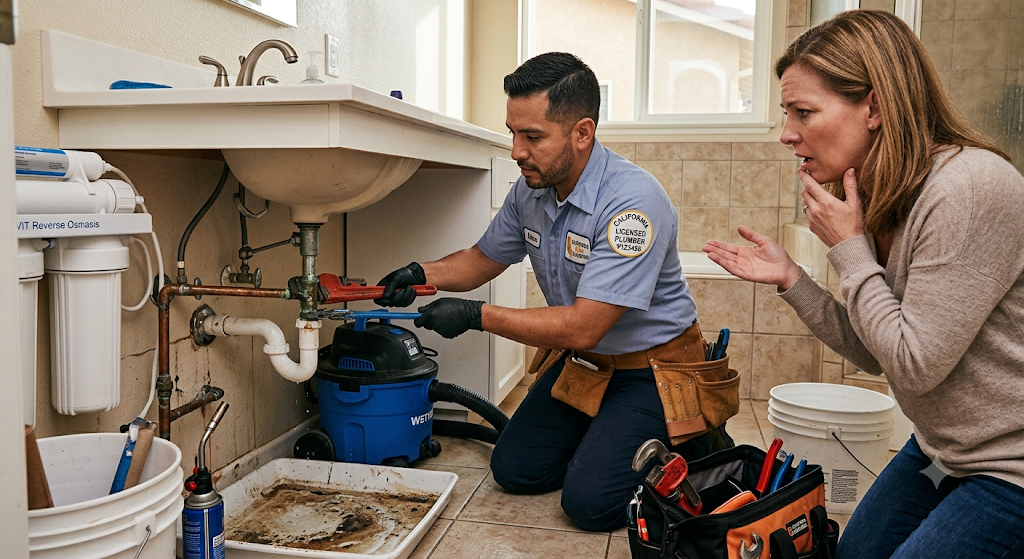
Homes in California often experience a variety of plumbing concerns, including aging pipes in older properties, hard water deposits, and seasonal fluctuations in water pressure. If left unaddressed, these issues can cause leaks, blockages, and reduced water efficiency. Having a basic understanding of your plumbing system can help you prevent damage and maintain a safe, comfortable home.
This is where professional plumbing services become important. Licensed plumbers in California provide a wide range of solutions, from routine maintenance and drain cleaning to urgent repairs and full system upgrades. Knowing when to seek expert help can save you from costly and extensive repairs later on.
In this blog, we'll break down the essential plumbing services every California homeowner should be aware of. You'll also learn how to recognize early warning signs, choose a trustworthy plumber, and keep your plumbing system working efficiently throughout the year.
When plumbing problems strike unexpectedly, you need a team you can trust. @AP Inc provides expert repair, maintenance, and emergency plumbing services in Los Angeles. Call 818-256-6086 now to book a quick inspection.
Understanding Plumbing Systems in California Homes
Before diving into specific problems and fixes, it helps to understand what makes up a home's plumbing system in the first place. From the pipes hidden behind your walls to the fixtures you use every day, each part plays a role in keeping water flowing safely in and waste flowing out. California's unique mix of older and newer construction, paired with its climate, adds another layer to consider.
How Home Plumbing Systems Are Built
California's housing stock is incredibly diverse, ranging from century-old Craftsman bungalows to brand-new energy-efficient builds. This variety means plumbing systems across the state differ widely in age, materials, and design. Older homes, particularly those built before the 1960s, may still have galvanized steel or even original copper piping that has worn down over decades of use. Newer homes, on the other hand, are more likely to use PEX or modern copper lines designed to last longer and resist corrosion.
Supply, Drainage, and Fixtures
A typical home plumbing system includes a supply system that brings fresh water in, a drainage system that removes wastewater, and fixtures such as sinks, toilets, water heaters, and showers that connect the two. Understanding how these components work together helps homeowners spot problems early. For instance, a sudden drop in water pressure could point to a hidden leak, while gurgling drains often signal a developing clog deeper in the line.
Why California's Climate Matters
California's climate also plays a role. Dry summers followed by heavy winter rains can cause soil to shift, putting stress on underground pipes. Combined with the state's seismic activity, this makes regular inspection of your plumbing system especially important compared to homes in more climatically stable regions.
Are you a plumber in California looking for more leads?
Yellow Pages California helps you stand out online and connect with real, ready-to-hire clients. Click here to register and grow your business visibility online.
Common Plumbing Problems California Homeowners Face
Several issues show up again and again in California households, and recognizing them early can prevent minor inconveniences from becoming major repairs. From everyday clogs to more serious sewer or water heater troubles, knowing what to look for makes it easier to act before damage spreads.
Leaks, Clogs, and Everyday Fixture Issues
Leaky pipes and fixtures are among the most frequent complaints, often caused by corrosion, high water pressure, or shifting foundations. Even a small, slow leak can waste hundreds of gallons of water a year and lead to mold growth if it goes unnoticed behind walls or under floors.
Clogged drains are another common headache, usually resulting from grease buildup, hair, soap scum, or mineral deposits accumulating inside pipes over time. Bathroom and kitchen drains tend to be the biggest culprits.
Running or leaking toilets waste water continuously and are often caused by a worn flapper valve or faulty fill mechanism. While the fix is usually simple, ignoring it can significantly inflate a water bill.
Water Heater and Sewer Line Concerns
Water heater issues, including inconsistent temperatures, strange noises, or rusty water, often indicate sediment buildup or an aging unit nearing the end of its lifespan.
Sewer line problems, such as backups or slow drainage throughout the house, can stem from tree root intrusion, pipe collapse, or blockages, and typically require professional plumbing repair services to diagnose and resolve safely.
When to Call for Emergency Help
When any of these problems escalate quickly, such as a burst pipe or a sewage backup, it's essential to call emergency plumbing services right away rather than attempting a temporary fix, since delays can lead to water damage and higher repair costs.
Impact of Hard Water on Plumbing Systems
Hard water is one of the most underestimated threats to a home's plumbing, quietly affecting pipes and appliances long before homeowners notice any obvious symptoms. Understanding why it happens and how it builds up over time makes it much easier to manage before it causes lasting damage.
Why Hard Water Is Common in California
Much of California, especially in inland and Southern California regions, deals with notably hard water due to high mineral content, particularly calcium and magnesium. While hard water isn't a direct health hazard, it can be tough on plumbing infrastructure over time.
How Mineral Buildup Affects Pipes and Appliances
As hard water flows through pipes, fixtures, and appliances, it leaves behind mineral deposits known as limescale. This buildup gradually narrows the interior diameter of pipes, restricting water flow and reducing overall pressure. Left unchecked, it can shorten the lifespan of water heaters, dishwashers, and washing machines by forcing them to work harder than necessary.
Signs Your Home Has Hard Water
Homeowners with hard water often notice telltale signs: white, chalky residue around faucets and showerheads, soap that doesn't lather well, spots on dishes and glassware, and clothes that feel stiff after washing. Over the years, this mineral buildup can also clog aerators and showerheads, leading to weak water flow that's frequently mistaken for a separate plumbing issue.
Solutions for Managing Hard Water
Installing a water softening system is one of the most effective long-term solutions, as it reduces mineral content before water reaches your pipes and appliances. Regular flushing of water heaters and periodic descaling of fixtures can also help offset hard water's effects, extending the life of your plumbing system and reducing the frequency of repairs.
Why Plumbing Maintenance Is Essential
Plumbing maintenance is often overlooked until something breaks, yet it's one of the most effective ways to protect a home long-term. A small investment in routine checkups can prevent the kind of large-scale damage and water waste that comes from neglecting a system over time.
Catching Small Problems Before They Grow
Many homeowners only think about plumbing when something goes visibly wrong, but proactive maintenance is far more cost-effective than reactive repairs. Routine checkups allow small issues, like a minor leak or a slow drain, to be caught and corrected before they turn into expensive emergencies.
What Routine Maintenance Typically Covers
Regular maintenance typically includes inspecting pipes for corrosion or damage, checking water heater performance, testing water pressure, clearing minor drain buildup, and examining seals around fixtures for wear. These small interventions help maintain consistent water flow, prevent unnecessary water waste, and protect the structural integrity of your home by avoiding hidden leaks that can damage walls, flooring, and foundations.
Extending the Life of Your Plumbing System
Maintenance also plays a key role in extending the lifespan of major plumbing components. A water heater that receives regular sediment flushing, for example, can last significantly longer than one that's neglected. Similarly, pipes that are inspected and treated for hard water buildup are less likely to develop pinhole leaks or complete blockages over time.
Supporting Water Efficiency in a Drought-Prone State
Beyond cost savings, consistent maintenance supports water efficiency, which matters a great deal in California given the state's recurring drought conditions and water conservation efforts. A well-maintained plumbing system uses water more efficiently, helping homeowners reduce both their utility bills and their environmental footprint.
Benefits of Hiring Licensed Plumbers
Not all plumbers offer the same level of training, accountability, or protection, which is why choosing a licensed professional matters more than many homeowners realize. From legal compliance to peace of mind, the benefits go well beyond simply getting the job done.
Why Licensing and Insurance Matter
When plumbing problems arise, it can be tempting to attempt a DIY fix or hire the cheapest available option. However, working with a licensed plumber in California offers protections and advantages that are well worth the investment.
Compliance With California Plumbing Codes
A licensed plumber California professional has completed the required training, passed state examinations, and stays current with California's plumbing codes and safety regulations. This ensures that any work performed, whether it's a simple repair or a complex installation, meets legal and safety standards. Unlicensed work can lead to code violations, failed inspections, and complications if you ever sell your home.
Insurance and Warranty Protection
Licensed plumbers also typically carry insurance, which protects homeowners from liability in case of accidental property damage or injury during a job. Additionally, reputable plumbing services California companies often provide warranties on their work, giving homeowners peace of mind that if an issue resurfaces, it will be addressed at no extra cost.
The Value of Experience
Experience matters too. A seasoned plumber can accurately diagnose problems that might be missed by an inexperienced eye, recommend the right materials and methods for your specific situation, and complete work efficiently, saving you time and reducing the risk of repeat repairs. When searching for help, looking up local plumbers near me with verified licenses and strong customer reviews is one of the simplest ways to ensure quality, reliable service.
Residential vs Commercial Plumbing Services
Not every plumbing job is the same, and the scale of a property makes a significant difference in how a job is approached. Understanding the distinctions between residential and commercial plumbing can help you choose a provider with the right experience for your specific needs.
Scope and Scale of Residential Plumbing
While the basic principles of plumbing remain the same, residential plumbing services and commercial plumbing services differ significantly in scope, scale, and complexity.
Residential plumbing focuses on single-family homes, condos, and small multi-unit buildings. Services typically include fixture repairs, drain cleaning, water heater installation, and addressing household leaks. The systems involved are generally smaller and less complex, and repairs can often be completed relatively quickly.
Scope and Complexity of Commercial Plumbing
Commercial plumbing, by contrast, deals with larger-scale systems found in office buildings, restaurants, retail spaces, and apartment complexes. These systems often involve more extensive piping networks, higher water usage demands, and specialized equipment like grease traps or large-capacity water heaters. Commercial plumbers must also navigate stricter regulatory requirements and coordinate work around business operating hours to minimize disruption.
Differences in Urgency and Response
Another key difference lies in urgency and impact. A plumbing failure in a commercial setting can affect multiple tenants or disrupt business operations, often requiring a faster response and more specialized expertise. Many plumbing companies offer both services, but it's worth confirming that a plumber has specific experience with your property type before hiring them for larger or more complex jobs.
Conclusion
Understanding your home's plumbing system, recognizing common warning signs, and staying ahead of issues like hard water buildup can save California homeowners significant time, money, and stress. Regular maintenance is one of the simplest yet most effective ways to protect your investment and keep everything running smoothly year-round.
When problems do arise, partnering with a qualified, licensed professional makes all the difference. Whether you need routine upkeep, residential plumbing services, or specialized commercial solutions, choosing experienced and properly credentialed plumbers ensures the job is done safely and correctly. By staying informed and proactive, you can avoid unnecessary disruptions and keep your home's plumbing system in great shape for years to come.
FAQs About Plumbing Repair Services
What should I look for when hiring a plumber in California?
When hiring a plumber in California, check for a valid state license, insurance coverage, and verified customer reviews. It’s also important to choose someone who offers transparent pricing and experience with California building codes.
Are plumbing inspections required when buying a house in California?
While not always legally required, plumbing inspections are highly recommended during home purchases in California. They help identify hidden issues like slab leaks, old piping, or sewer line problems before finalizing the deal.
Why are plumbing services more expensive in California compared to other states?
Plumbing costs in California are often higher due to labor rates, strict building regulations, higher living costs, and the need for specialized repairs in older or earthquake-affected infrastructure.
How often should California homeowners schedule plumbing maintenance?
Experts recommend scheduling professional plumbing inspections at least once a year. Regular maintenance helps detect hidden leaks, prevent drain blockages, and improve water efficiency, especially important in California due to water conservation concerns.
Can tree roots damage plumbing systems in California homes?
Yes, tree root intrusion is a common issue in California, especially in older neighborhoods. Roots can enter sewer lines through small cracks, causing blockages, slow drains, and even pipe collapse if not addressed early.
Suggestions
Olivia Claymore
Olivia Claymore
Emily Johnson
Olivia Claymore