
Olivia Claymore
Featured
Emergency HVAC Repair in California: What Counts as an Emergency (and What Can Wait)
HVAC-R
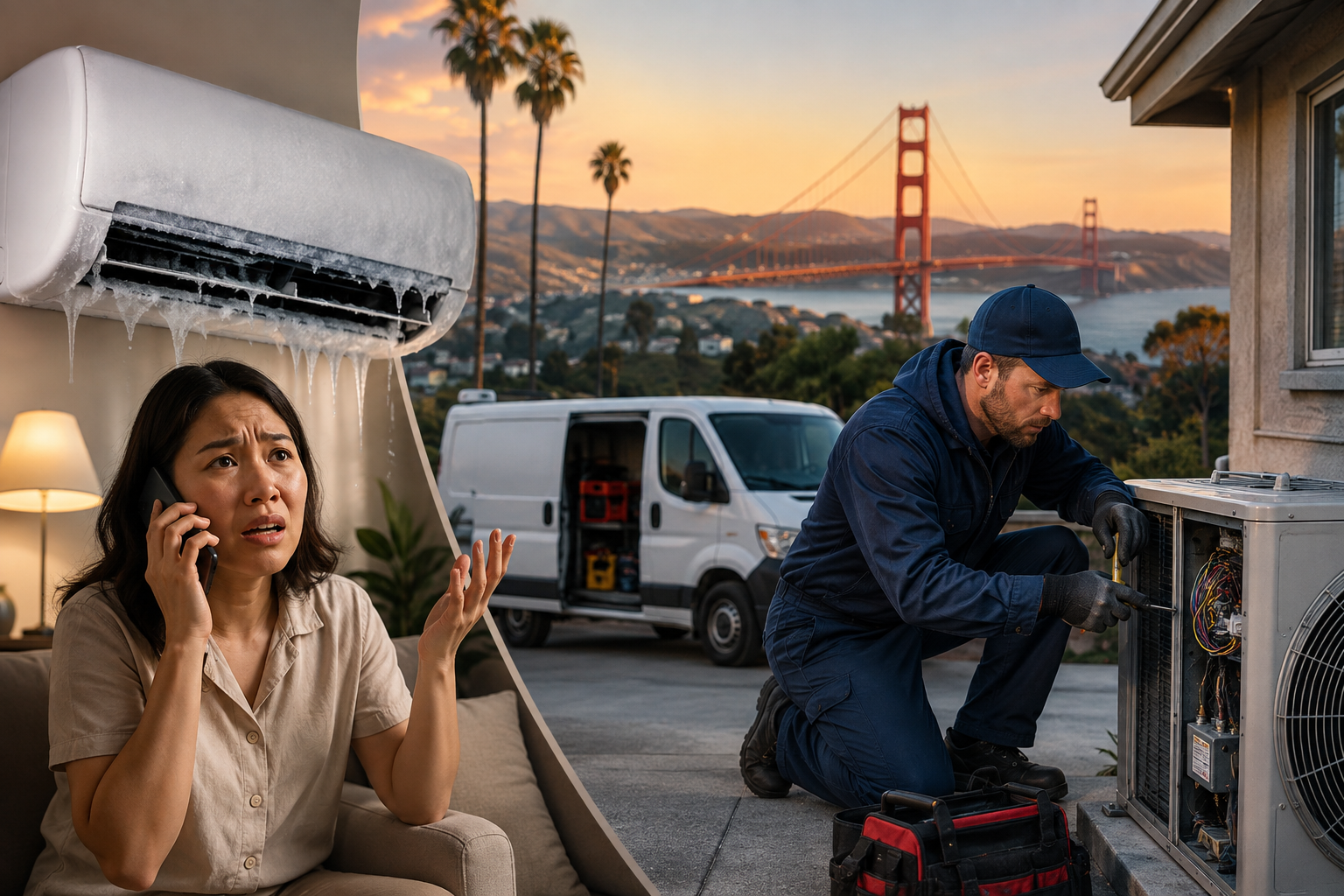
In California, an HVAC emergency generally refers to a problem that threatens safety, causes significant property damage, or leaves a home without essential heating or cooling during extreme weather. Air conditioning failure during severe heat can become urgent, particularly for vulnerable household members. Other emergencies may include gas odors, smoke, burning electrical smells, major refrigerant leaks, water leaking from the system, or unusual noises indicating serious mechanical failure.
Not every HVAC issue requires immediate repair. Problems such as weak airflow, uneven temperatures, a malfunctioning thermostat, or reduced cooling may often be scheduled during regular service hours if there is no immediate safety risk. However, delaying repairs can sometimes allow a minor problem to become more expensive.
When an HVAC emergency occurs, turn off the system if it appears unsafe and contact a qualified HVAC technician. Prompt professional assessment can help identify the cause, prevent further damage, and restore safe, reliable operation.
What Is Considered an HVAC Emergency in California?
An HVAC emergency is any situation where a heating or cooling failure puts people, pets, or property at risk. This typically includes safety hazards like gas smells or electrical burning odors, along with total system breakdowns during a heat wave or cold snap. Because California's climate can shift quickly, knowing the difference between an inconvenience and a genuine emergency helps homeowners respond appropriately and avoid unnecessary panic or cost.
Safety-Related Emergencies
Any HVAC issue involving gas, smoke, sparks, or exposed wiring should always be treated as an emergency, since these situations carry a real risk of fire or health hazards.
Comfort and Health-Related Emergencies
A total loss of cooling during a heat advisory, or heating failure during a cold snap, can quickly become dangerous for infants, older adults, and people with certain health conditions.
Are you a licensed HVAC contractor serving homeowners across California?
List your business on Yellow Pages California and connect with property owners searching for trusted HVAC repair, maintenance, and installation services. Click here to register.
HVAC Problems That Require Immediate Emergency Repair
Some HVAC issues cannot wait, either because they pose a safety risk or because they leave a household without heating or cooling in dangerous conditions. In these cases, calling for HVAC emergency repair right away is the safest course of action, rather than attempting a temporary fix or waiting for the next available appointment.
Gas Smells, Smoke, or Burning Odors
A gas odor near a furnace, visible smoke, or a burning electrical smell signals a potential fire or carbon monoxide hazard and requires the system to be shut off immediately, with a technician contacted right away.
No Heating or Cooling in Extreme Weather
A complete system failure during a California heat wave or an unexpected cold spell is a top reason people search for same day HVAC repair, since indoor temperatures can become unsafe within hours.
Water Leaks or Major Refrigerant Leaks
Water pooling around an indoor unit or a significant refrigerant leak can damage flooring, drywall, and electrical components, and refrigerant exposure can also pose health risks if left unaddressed.
Strange Noises or Complete Mechanical Failure
Loud banging, grinding, or screeching sounds often indicate a serious mechanical failure that could worsen quickly, making it a strong candidate for HVAC emergency service rather than routine scheduling.
HVAC Problems That Can Usually Wait
Not every malfunction needs after-hours attention. Many common HVAC issues are inconvenient but not dangerous, and they can typically be scheduled for a regular appointment without significant risk to comfort or safety, especially when the weather is mild.
Weak or Reduced Airflow
Low airflow from vents is often caused by a dirty filter or blocked duct and, while it should be addressed soon, it rarely requires an emergency callout unless indoor temperatures are becoming extreme.
Uneven Temperatures Between Rooms
Rooms that feel warmer or cooler than others usually point to ductwork or balancing issues that can be diagnosed during a standard HVAC repair service visit.
Thermostat Malfunctions
A thermostat that is unresponsive or displaying incorrect readings is frustrating, but as long as the system can still run manually or the weather is moderate, this can typically wait for regular hours.
Minor Noises or Reduced Efficiency
Slight rattling or a gradual decline in cooling or heating performance often reflects normal wear and can be handled through scheduled HVAC maintenance services rather than emergency dispatch.
How to Tell If Your HVAC Problem Is an Emergency
Deciding whether a problem is urgent comes down to a few key questions: Is there a safety risk? Is the home left without heating or cooling in extreme temperatures? Is the damage actively getting worse? If the answer to any of these is yes, it is reasonable to treat the situation as an emergency.
Ask About Immediate Risk
If there is any smell of gas, visible smoke, or sparking, the situation should always be treated as urgent regardless of the outside temperature.
Consider the Weather and Household Needs
A cooling failure on a mild day is very different from the same failure during a heat advisory with young children, elderly residents, or pets at home.
What to Do During an HVAC Emergency
When a true HVAC emergency happens, quick and calm action can limit damage and protect the household until a technician arrives. The right first steps depend on the type of problem, but a few general guidelines apply in almost every situation.
Turn Off the System if It Seems Unsafe
If there is a burning smell, sparking, or a gas odor, shutting off the unit at the thermostat or breaker can help prevent the issue from escalating.
Ventilate the Area and Evacuate if Needed
For strong gas odors or heavy smoke, leaving the home and calling for help from a safe distance is the priority, since personal safety always comes before property.
Call a Qualified HVAC Technician
Once the immediate risk is managed, contacting HVAC contractors who offer emergency response ensures the underlying cause is properly diagnosed rather than temporarily masked.
When It Is Safe to Wait for Regular HVAC Service
If a system is still functioning, indoor temperatures remain reasonably comfortable, and there is no visible damage or safety concern, it is usually safe to schedule a standard appointment. Waiting for regular hours can also mean more availability and, in some cases, lower service costs.
Mild Weather Reduces Urgency
When outdoor temperatures are moderate, a minor performance issue is far less likely to create a health or safety concern, giving homeowners more flexibility to schedule around their routine.
No Signs of Active Damage
If there is no leaking, burning smell, or worsening noise, the issue is likely mechanical wear that a technician can assess and resolve during a planned visit.
Emergency HVAC Repair vs. Routine HVAC Repair
Emergency HVAC repair addresses urgent, safety-related, or weather-driven failures that need attention right away, often outside of normal business hours. Routine HVAC repair, by contrast, covers scheduled diagnostics and fixes for issues that are not actively dangerous, allowing homeowners to plan around their availability and budget.
Response Time and Availability
Emergency HVAC service is designed for fast response, sometimes including same day HVAC repair, while routine visits are typically booked in advance based on technician availability.
Cost Considerations
Emergency calls may carry higher rates due to after-hours dispatch, whereas routine HVAC repair and service appointments are generally priced within standard scheduling windows.
How California Weather Can Turn an HVAC Problem Into an Emergency
California's climate varies widely, from desert heat in the Central Valley to cooler coastal nights and mountain cold snaps. These extremes mean a minor HVAC issue in one region can become a genuine emergency in another, especially when temperatures climb well above or drop well below comfortable levels.
Extreme Summer Heat
During prolonged heat waves, a failed air conditioner is not just uncomfortable; it can pose real health risks, particularly for infants, seniors, and people with respiratory or cardiac conditions.
Unexpected Cold Snaps
While California is known for mild winters, sudden cold spells in certain regions can leave a home without adequate heating, turning a delayed furnace repair into an urgent need.
When Should You Call an Emergency HVAC Technician?
It is time to call for emergency help when there is a safety hazard, when the home has no heating or cooling during extreme weather, or when the problem is clearly worsening. In these situations, reaching out to a professional HVAC repair service without delay is the safest choice.
Trust Your Instincts on Safety
If something feels wrong, whether it is an unusual smell, sound, or visible damage, it is always better to have a professional assess it than to wait and hope it resolves on its own.
Choose Experienced HVAC Contractor Services
Working with established HVAC contractor services that offer around-the-clock support, and in some cases parts delivery through a courier service, can help ensure a faster, more reliable resolution when every hour matters.
Final Thoughts: Knowing When Your HVAC Problem Can Wait
Understanding the difference between an HVAC emergency and a problem that can wait helps homeowners respond appropriately, protect their families, and avoid unnecessary expense. Whether a home needs urgent HVAC system repair, routine HVAC maintenance services, or even HVAC installation services and HVAC replacement services down the line, working with a trusted, licensed HVAC repair provider ensures the system is handled safely and correctly at every stage.
FAQs About Emergency HVAC Repair in California
How do I know if my AC problem is an emergency?
If your air conditioner has stopped working completely during extreme heat, or if you notice burning smells, sparking, or water damage, it should be treated as an emergency. Reduced airflow or mild temperature differences between rooms are usually not urgent.
What should I do if I smell gas near my HVAC system?
Leave the area immediately, avoid using electrical switches, and call for emergency help from a safe location. Do not attempt to inspect or repair the unit yourself.
Does homeowners insurance cover emergency HVAC repair?
Coverage varies by policy and cause of damage. It's best to review your specific policy or contact your insurance provider to understand what emergency repairs may be covered.
How much does emergency HVAC repair typically cost compared to regular service?
Emergency and after-hours calls often cost more than scheduled appointments due to faster response times and technician availability outside normal business hours. Exact pricing depends on the provider and the issue.
Can a minor HVAC issue turn into an emergency if ignored?
Yes. Problems like minor leaks, unusual noises, or reduced efficiency can worsen over time and potentially lead to more extensive damage or a full system failure if left unaddressed.
Suggestions
Olivia Claymore
Emily Johnson
Olivia Claymore
Daniel Johnson