
Olivia Claymore
Featured
Commercial Refrigeration Maintenance: How to Prevent Costly Breakdowns
HVAC-R
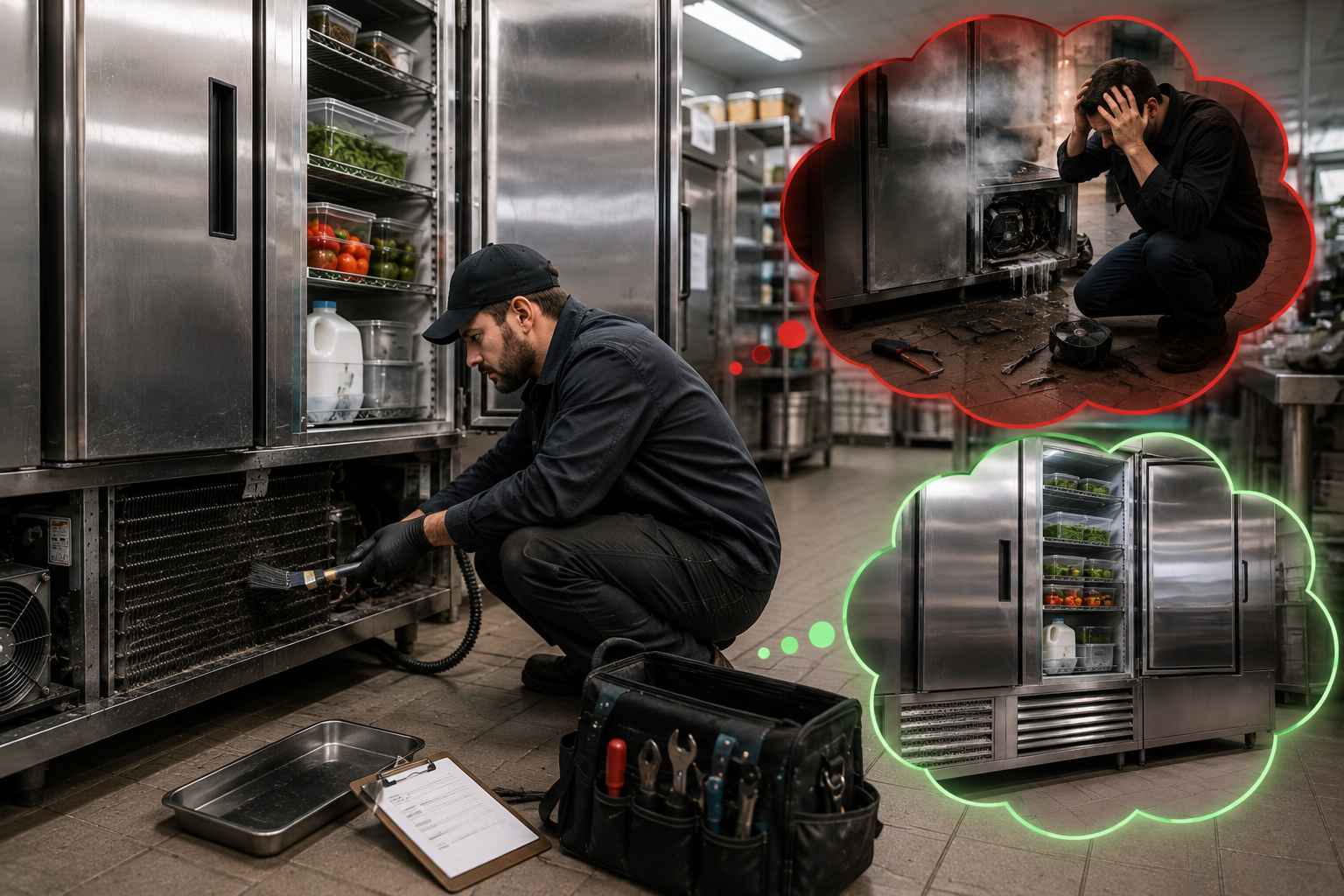
Commercial refrigeration systems are essential for businesses that store perishable goods, including restaurants, grocery stores, supermarkets, and commercial kitchens. These systems maintain specific temperatures to preserve product quality and support food safety. Over time, regular use, dust buildup, worn components, and airflow restrictions can affect refrigeration performance, potentially leading to equipment failures, food spoilage, and costly repairs.
Commercial refrigeration maintenance involves regularly inspecting, cleaning, and servicing equipment to ensure it operates correctly. Key maintenance tasks include cleaning condenser coils, checking door seals, monitoring temperature controls, inspecting evaporator fans, and ensuring proper airflow. Identifying unusual noises, temperature fluctuations, or excessive frost buildup can also help detect potential problems early.
Understanding how commercial refrigeration maintenance works can help businesses reduce unexpected breakdowns and maintain reliable equipment performance. This guide explains essential maintenance practices, common causes of refrigeration failures, warning signs to monitor, and preventive measures that can help minimize repair expenses and extend equipment lifespan.
What Is Commercial Refrigeration Maintenance?
Commercial refrigeration maintenance is the ongoing process of inspecting, cleaning, and servicing refrigeration equipment to keep it running efficiently. It covers everything from walk-in units to reach-in coolers, ensuring each component works as intended throughout the year.
A Proactive Approach to Equipment Care
Rather than waiting for a unit to fail, commercial refrigeration maintenance focuses on identifying small issues before they turn into major problems. This proactive approach relies on scheduled inspections performed by a qualified commercial refrigeration technician who understands system components and performance benchmarks.
Components Typically Covered
Maintenance visits generally include condenser and evaporator coils, compressors, fan motors, door gaskets, drain lines, and thermostats. Each component plays a role in maintaining consistent temperatures, so routine commercial refrigeration repair services often address the entire system rather than a single part.
Own a refrigeration repair or maintenance business in California?
Make it easier for local customers to discover your commercial refrigeration services. List your business on Yellow Pages California and improve your visibility among businesses searching for reliable refrigeration professionals. Click here to register.
Why Regular Commercial Refrigeration Maintenance Matters
Refrigeration equipment runs continuously, which means wear accumulates faster than many business owners realize. Regular maintenance helps catch this wear early, protecting both the equipment and the products stored inside it.
Protecting Food Safety and Compliance
Temperature fluctuations caused by neglected equipment can put perishable inventory at risk and may lead to violations during health inspections. Consistent commercial refrigeration system maintenance helps businesses stay within safe temperature ranges and meet local food safety regulations.
Supporting Business Continuity
A refrigeration failure can halt operations, especially in restaurants and grocery stores that depend on consistent cold storage. Scheduled maintenance reduces the likelihood of sudden shutdowns that disrupt service and damage customer trust.
Extending Equipment Lifespan
Routine care reduces strain on components like compressors and fan motors, which are often the most expensive parts to replace. Businesses that invest in regular commercial refrigeration maintenance typically see longer equipment lifespans and fewer major repairs.
Common Causes of Commercial Refrigeration Breakdowns
Most refrigeration breakdowns don’t happen overnight. They’re usually the result of gradual wear, neglected cleaning, or small issues that go unnoticed until the system fails.
Dirty Condenser Coils
Dust and grease buildup on condenser coils force the compressor to work harder, which increases energy use and accelerates wear. This is one of the leading reasons businesses end up needing commercial refrigeration repair.
Worn Door Seals and Gaskets
Cracked or loose door seals allow warm air to enter the unit, causing the compressor to run longer than necessary. Over time, this added strain can lead to compressor failure and inconsistent internal temperatures.
Refrigerant Leaks
Low refrigerant levels reduce cooling efficiency and can damage the compressor if left unaddressed. Leaks are often gradual, making them easy to miss without routine inspection by a trained technician.
Blocked Airflow and Ventilation Issues
Overstocked units, blocked vents, or restricted airflow around the condenser can cause uneven cooling. Poor airflow is a common trigger for emergency commercial refrigerator repair calls, particularly during high-demand seasons.
Electrical and Control Failures
Faulty thermostats, wiring issues, or malfunctioning control boards can cause units to run inconsistently or shut down entirely. These issues are often harder to detect without professional diagnostic tools.
Essential Commercial Refrigeration Maintenance Tasks
A well-rounded maintenance routine covers several key areas of the system. These tasks, when performed consistently, form the foundation of reliable commercial refrigeration performance.
Cleaning Condenser and Evaporator Coils
Regular coil cleaning removes dust, grease, and debris that restrict heat exchange. This single task can significantly improve energy efficiency and reduce the risk of compressor strain.
Inspecting Door Seals and Gaskets
Checking gaskets for cracks, gaps, or warping helps maintain a proper seal and prevents warm air infiltration. Replacing worn gaskets is a low-cost fix that prevents larger temperature-related issues.
Monitoring Temperature and Thermostat Accuracy
Verifying that internal temperatures match thermostat settings ensures the unit is functioning correctly. Inconsistent readings often indicate a developing mechanical or electrical issue.
Checking Evaporator Fans and Airflow
Evaporator fans circulate cold air throughout the unit, and any obstruction or malfunction can lead to uneven cooling. Inspecting fan blades and motors helps maintain consistent airflow.
Clearing Drain Lines
Clogged drain lines can cause water buildup, ice formation, or leaks inside the unit. Routine drain line checks prevent these issues from affecting overall performance.
Lubricating Moving Parts
Motors, fans, and other moving components benefit from periodic lubrication, which reduces friction and extends their operational life. This simple step is often included in scheduled commercial refrigeration service visits.
How to Prevent Costly Commercial Refrigeration Breakdowns
Preventing breakdowns comes down to consistency, early detection, and professional support. Businesses that follow a structured maintenance plan are far less likely to face sudden equipment failures.
Schedule Routine Inspections
Setting a regular inspection schedule, rather than waiting for problems to appear, allows technicians to catch minor issues before they escalate. This is especially important for high-use equipment like walk-in coolers and freezers.
Train Staff to Spot Warning Signs
Employees who interact with refrigeration units daily can be trained to notice early warning signs, such as unusual noises, frost buildup, or inconsistent temperatures. Early reporting allows for faster intervention.
Keep Units Properly Stocked
Overloading units restricts airflow, while underloading can cause the system to cycle inefficiently. Maintaining appropriate stock levels supports consistent cooling performance.
Address Minor Issues Immediately
Small problems, like a loose door seal or a slightly noisy fan, should be addressed as soon as they’re noticed. Delaying repairs often turns minor fixes into major commercial freezer repair or commercial cooler repair jobs.
Partner With a Qualified Technician
Working with an experienced commercial refrigeration technician ensures that maintenance is performed correctly and that potential issues are identified using proper diagnostic tools. Professional oversight is one of the most effective ways to prevent costly breakdowns.
How Often Should Commercial Refrigeration Equipment Be Serviced?
Service frequency depends on equipment type, usage levels, and the specific needs of the business. However, general guidelines can help businesses establish a reliable maintenance schedule.
Monthly Maintenance Tasks
Basic checks, such as cleaning exterior surfaces, inspecting gaskets, and monitoring temperature readings, should be performed monthly. These tasks can often be handled by trained staff.
Quarterly Professional Inspections
More detailed inspections, including coil cleaning, refrigerant checks, and electrical component testing, are typically recommended every three months. Quarterly commercial refrigeration services help catch issues that aren’t visible during routine daily checks.
Seasonal Considerations
Units like walk-in cooler maintenance and walk-in freezer maintenance may require additional attention during peak seasons, such as summer months when ambient temperatures place extra strain on compressors. Restaurants and grocery stores with high turnover may also benefit from more frequent servicing.
Preventive Maintenance vs. Emergency Refrigeration Repairs
Understanding the difference between planned maintenance and reactive repairs helps businesses make informed decisions about their refrigeration budgets. Both approaches serve a purpose, but one is significantly more cost-effective over time.
What Preventive Maintenance Involves
Preventive maintenance is scheduled, routine, and focused on identifying issues before they cause equipment failure. It typically involves lower costs per visit and minimizes the risk of unexpected downtime.
What Emergency Repairs Involve
Emergency restaurant refrigeration repair or urgent commercial refrigerator repair calls happen when equipment has already failed or is failing rapidly. These situations often come with higher costs, longer wait times, and the added risk of inventory loss.
Comparing Long-Term Costs
While preventive maintenance requires a consistent investment, it generally costs less than emergency repairs over the equipment’s lifespan. Businesses that rely solely on reactive repairs often face higher cumulative expenses and more frequent disruptions.
How Commercial Refrigeration Maintenance Reduces Operating Costs
Beyond preventing breakdowns, regular maintenance contributes to measurable cost savings across several areas of business operations. These savings often make maintenance programs worthwhile investments.
Lower Energy Consumption
Clean coils, properly sealed doors, and well-functioning fans all contribute to more efficient operation, which reduces energy usage. Businesses that maintain their equipment often see noticeable reductions in utility costs.
Reduced Repair Frequency
Addressing small issues early prevents them from developing into larger, more expensive problems. This reduces how often a business needs emergency commercial freezer repair or commercial cooler repair services.
Fewer Inventory Losses
Consistent temperatures protect perishable inventory from spoilage, reducing waste and the associated financial losses. This is particularly important for restaurants and grocery stores operating on tight margins.
Extended Equipment Life
Well-maintained systems last longer, delaying the need for costly equipment replacement. This extends the return on investment for existing refrigeration units.
Conclusion: Protect Your Equipment With Regular Maintenance
Commercial refrigeration systems play a critical role in protecting perishable inventory and supporting daily business operations. Without regular care, even well-built equipment can develop issues that lead to unexpected downtime and expensive repairs.
By scheduling routine inspections, addressing minor issues promptly, and partnering with a qualified commercial refrigeration technician, businesses can reduce the risk of costly breakdowns. Investing in consistent commercial refrigerator maintenance not only protects equipment but also supports food safety, operational efficiency, and long-term cost savings.
FAQs About Commercial Refrigeration Maintenance
How often should commercial refrigeration equipment be serviced in California?
Commercial refrigeration equipment should be inspected regularly, with professional maintenance often scheduled quarterly. Service frequency depends on equipment type, operating conditions, kitchen activity, and manufacturer recommendations.
How much does commercial refrigeration maintenance cost in California?
The cost depends on the equipment size, system condition, type of maintenance, and labor required. Request a detailed estimate covering inspection, coil cleaning, component checks, and any recommended repairs.
Why is my commercial refrigerator running but not cooling?
Common causes include dirty condenser coils, blocked airflow, faulty evaporator fans, damaged door seals, refrigerant leaks, and thermostat problems. A qualified commercial refrigeration technician can identify the cause and recommend the appropriate repair.
What temperature should a commercial refrigerator be kept at in California?
Under California Retail Food Code Section 113996, potentially hazardous foods generally must be held at or below 41°F, subject to applicable exceptions. Businesses should monitor actual food temperatures and follow relevant food safety requirements.
What are the signs that a commercial refrigerator needs maintenance?
Warning signs include fluctuating temperatures, unusual noises, excessive frost, water leaks, poor airflow, doors that do not seal properly, and rising energy bills. Addressing these issues early can help prevent equipment failure.
Suggestions
Olivia Claymore
Emily Johnson
Daniel Johnson
Olivia Claymore