
Emily Johnson
Featured
Appliance Repair Services: What to Do When a Major Appliance Stops Working
HVAC-R
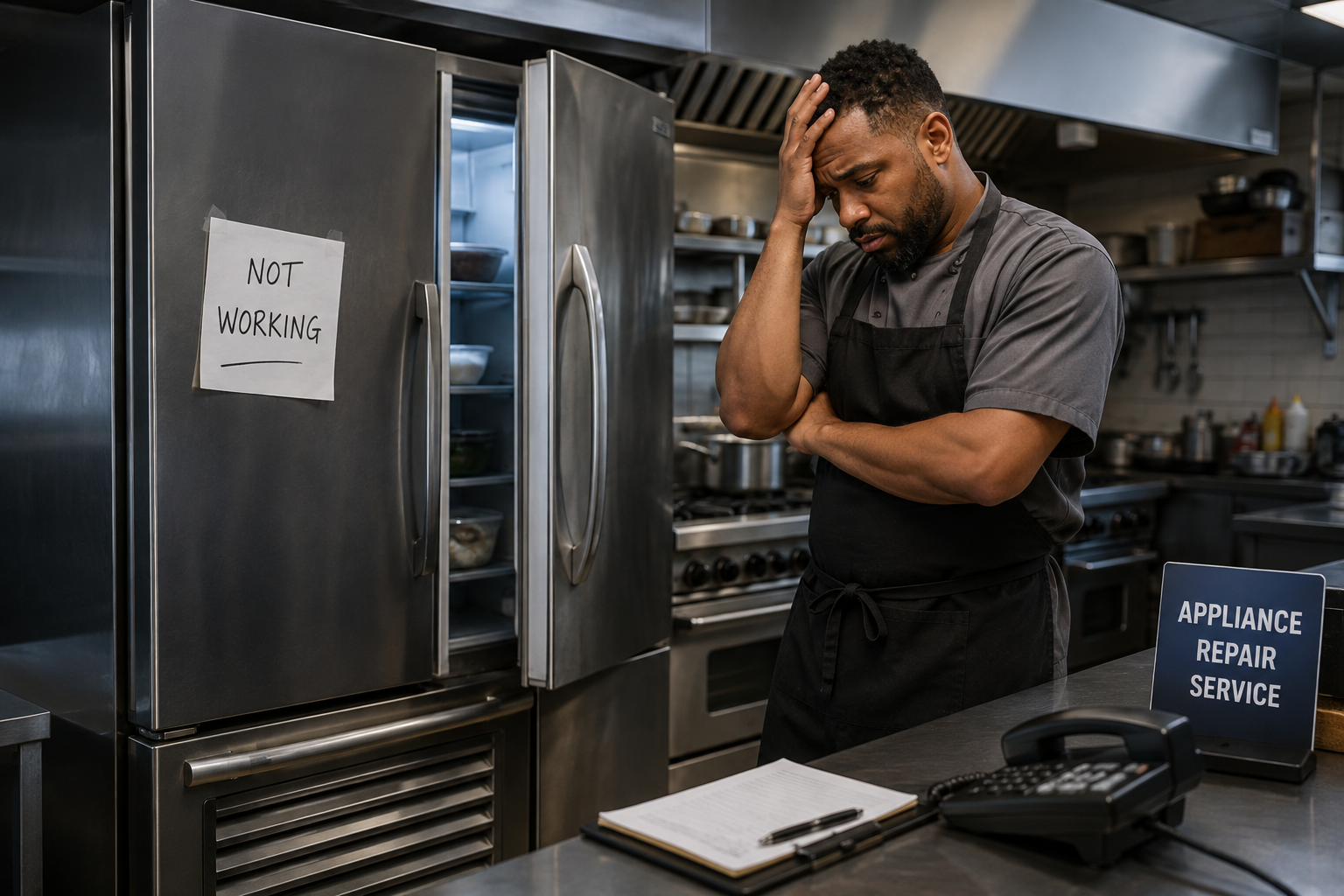
A major appliance breaking down can quickly interrupt your household routine and lead to unexpected costs. Whether your refrigerator, washing machine, dishwasher, oven, or dryer stops working, the issue could range from a minor electrical problem to a more serious mechanical fault. Knowing the right steps to take can help you avoid additional damage and determine the best solution.
Professional appliance repair services can diagnose and fix problems with different types of household appliances. Experienced technicians inspect the appliance, identify the underlying issue, and recommend suitable repairs to restore safe and reliable operation.
In this guide, we'll cover what you should do when a major appliance stops working, common warning signs that indicate a repair is needed, and important factors to consider when choosing a dependable appliance repair service.
What to Do When a Major Appliance Stops Working
Before assuming the worst, it helps to run through a few basic checks. Many appliance issues turn out to be simple fixes, like a tripped breaker or a loose connection, rather than a major mechanical failure. Taking a calm, methodical approach at the start can save you time, money, and unnecessary stress, and it gives you a clearer picture of whether the problem is something you can handle on your own or one that calls for outside help.
Check the Basics First
Start with the obvious. Make sure the appliance is plugged in properly, the outlet is working, and no circuit breaker has tripped or fuse has blown. For gas appliances, confirm the gas supply is on. These small checks resolve more issues than people expect and take only a few minutes.
Unplug and Inspect for Safety Hazards
If you notice burning smells, sparks, unusual noises, or visible damage to the power cord, unplug the appliance immediately. Continuing to run a damaged appliance can create a fire risk or cause further internal damage, so safety should always come first.
Consult the Owner's Manual
Most manufacturers include a basic troubleshooting section in the owner's manual. It often lists common error codes, resets, and simple fixes specific to your model. Keeping the manual or a digital copy on hand can save you a call-out fee for minor issues.
Note the Symptoms
Before contacting a technician, write down what you observed: strange noises, error codes, leaks, temperature problems, or when the issue started. This information helps appliance repair technicians diagnose the problem faster and more accurately during their visit.
Is your appliance repair business easy to find online?
Make sure local customers searching for appliance repair technicians in your area can find you first. List your business on Yellow Pages California and make it easier for potential customers to discover and contact you. Click here to register.
Common Causes of Appliance Breakdowns
Understanding why appliances fail can help you recognize problems early and decide whether a call to a professional is necessary. Most breakdowns fall into a handful of predictable categories, and knowing them makes it easier to describe the issue accurately when you do need help, which in turn helps a technician arrive prepared with the right tools and parts.
Electrical Issues
Faulty wiring, damaged power cords, worn-out switches, or issues with the control board are among the most frequent causes of appliance failure. Electrical problems can be dangerous to handle without training, which is one of the main reasons homeowners choose to leave the diagnosis and repair work to trained experts rather than attempting a DIY fix.
Manufacturing Defects and Age-Related Wear
Occasionally, an appliance develops a fault due to a manufacturing defect that surfaces months or years after purchase, often covered under a manufacturer's warranty. In other cases, an appliance simply reaches the natural end of its component lifespan, where internal parts wear down faster regardless of how carefully the unit has been used.
Worn-Out Parts
Appliances contain many moving components, such as motors, belts, seals, and pumps, that naturally wear down over years of use. A washing machine belt that slips or a refrigerator compressor nearing the end of its lifespan are typical examples of parts that eventually need replacement.
Improper Use or Overloading
Overloading a washing machine, dishwasher, or dryer puts extra strain on motors and internal components. Using appliances outside their intended capacity or ignoring manufacturer guidelines accelerates wear and often leads to premature breakdowns.
Lack of Regular Maintenance
Skipping routine upkeep, like cleaning dryer vents, defrosting freezers, or replacing water filters, allows small issues to build up over time. Consistent appliance maintenance services help catch minor wear before it turns into a costly repair or a full appliance replacement.
When to Call Professional Appliance Repair Services
Some problems are safe to troubleshoot on your own, but others require the training and tools that only a qualified technician can provide. Recognizing the difference helps you avoid making the problem worse or putting your household at risk.
Benefits of Hiring Trained Technicians
Bringing in someone with hands-on experience means the underlying issue is more likely to be identified correctly on the first visit, rather than through a process of trial and error. Trained technicians also carry the specialized tools, diagnostic equipment, and manufacturer-approved replacement parts needed to complete the job safely, which reduces the chance of a repeat breakdown.
Warning Signs You Shouldn't Ignore
Unusual noises, leaks, inconsistent temperatures, error codes that won't clear, or a noticeable increase in your utility bills are all signs that something inside the appliance needs attention. These symptoms rarely resolve on their own and tend to worsen if left unaddressed.
Situations That Require Immediate Attention
Burning smells, sparking, exposed wiring, gas odors, or water pooling near an electrical appliance call for immediate professional help. In these cases, it's best to stop using the appliance and contact appliance repair services right away rather than attempting any repairs yourself.
Common Appliance Repair Services
Appliance repair specialists work on a wide range of household equipment, each with its own set of common issues. Knowing what typically goes wrong with each appliance can help you understand what to expect during a service visit, from the initial diagnostic check to the final test run once repairs are complete.
Refrigerator Repair
Common refrigerator issues include inconsistent cooling, unusual noises, water leaks, and frost buildup in the freezer. Technicians often check the compressor, thermostat, condenser coils, and door seals to identify the root cause of these problems.
Washing Machine and Dryer Repair
Washing machines frequently develop issues like excessive vibration, drainage problems, or failure to spin, while dryers commonly struggle with poor airflow, overheating, or failing to start. Repairs usually involve inspecting belts, motors, hoses, and vent systems.
Dishwasher Repair
Dishwashers that leave dishes dirty, leak water, or fail to drain properly often have issues with the pump, spray arms, or door seals. A thorough inspection usually identifies whether the problem is mechanical or related to a clogged filter or blocked drain line.
Oven and Stove Repair
Uneven heating, igniter failures, and malfunctioning control panels are among the most common oven and stove issues. Because these appliances involve gas lines or high-voltage electrical components, repairs are best left to trained appliance service technicians.
Other Household Appliances
Beyond the major appliances covered above, garbage disposals, microwaves, and range hoods can also develop mechanical or electrical faults over time. Many repair providers handle these smaller units alongside larger equipment, making it convenient to address multiple problems during a single visit.
Appliance Repair vs. Replacement: What Should You Choose?
When an appliance breaks down, the decision often comes down to repairing it or buying a new one. Weighing a few key factors can help you make a choice that fits both your budget and your long-term needs, rather than defaulting to whichever option feels more convenient in the moment.
Age of the Appliance
As a general guideline, if an appliance is less than half of its expected lifespan, repair is usually the more cost-effective option. Older appliances nearing the end of their typical service life may be better candidates for replacement, especially if breakdowns are becoming frequent.
Cost of Repair vs. Replacement
A common rule of thumb is that if the repair cost exceeds 50% of the price of a new appliance, replacement is often the smarter financial decision. For lower-cost repairs, especially on newer units, fixing the appliance is usually the more practical choice.
Energy Efficiency Considerations
Older appliances tend to consume more energy than newer, efficiency-rated models. In some cases, replacing an aging appliance can lead to noticeable savings on utility bills over time, which is worth factoring into the repair-versus-replace decision.
Frequency of Past Repairs
If an appliance has needed multiple repairs within the past year or two, that pattern is often a better indicator than age alone that the unit is on a downward trend. Frequent breakdowns usually signal that internal components are failing in sequence, making replacement the more practical long-term choice.
Tips to Prevent Major Appliance Problems
Routine care goes a long way toward extending the life of your household appliances and reducing the likelihood of unexpected breakdowns. A few consistent habits can help you avoid emergency repairs and keep everything running smoothly, often at little to no cost beyond a bit of regular attention.
Follow a Maintenance Schedule
Set reminders for tasks like cleaning refrigerator coils, checking dryer vents, and replacing water and air filters according to the manufacturer's recommended schedule. Staying consistent with these small tasks prevents larger issues from developing.
Avoid Overloading
Stick to the recommended load capacity for washing machines, dryers, and dishwashers. Overloading these appliances puts unnecessary strain on motors and moving parts, which shortens their overall lifespan.
Clean Regularly
Wipe down door seals, clean out lint traps, and remove food debris from dishwasher filters on a regular basis. This kind of routine upkeep is a simple form of self-guided care you can perform yourself between professional visits.
Address Small Issues Early
If you notice minor changes in performance, such as a slightly noisier cycle or a small leak, don't wait for the problem to worsen. Reaching out to a qualified technician at the first sign of trouble often results in a quicker, less expensive fix.
Schedule Annual Professional Inspections
Even appliances that seem to be running fine can benefit from a yearly check-up. A professional inspection can catch hidden wear, such as a weakening seal or a slowly failing motor bearing, well before it causes a full breakdown, helping you get more years of reliable use out of every major appliance in your home.
Conclusion
A malfunctioning appliance doesn't have to derail your entire day. By checking the basics, staying alert to warning signs, and understanding the common causes of breakdowns, you can respond quickly and avoid unnecessary damage. When a problem goes beyond a simple fix, working with a trusted, experienced repair provider ensures the issue is diagnosed correctly and resolved safely.
Whether you need a one-time repair or ongoing residential appliance repair support, choosing an experienced, transparent company will help you get your household back to normal with minimal disruption and long-term reliability.
FAQs About Appliance Repair Services
How much does it typically cost to repair a major appliance?
Costs vary widely depending on the appliance type, brand, and the specific part that needs fixing, but most repairs for major appliances like refrigerators, washers, and dryers range from moderate diagnostic fees to a few hundred dollars, depending on complexity.
How long does an appliance repair usually take?
Many common repairs can be completed in a single visit, often within one to two hours, once the technician has diagnosed the issue. More complex problems or those requiring a special-order part may take a few extra days.
Is it worth repairing an old appliance?
It depends on the appliance's age and the cost of the fix. If the unit is still within a reasonable portion of its expected lifespan and the repair cost is well below the price of a replacement, repairing is usually the better value.
Can I fix a broken appliance myself?
Simple issues like a tripped breaker, clogged filter, or blocked vent can often be handled safely at home. However, problems involving electrical components, gas lines, or refrigerant should be left to a trained technician to avoid safety risks or voided warranties.
How often should major appliances be serviced?
Most manufacturers recommend a basic maintenance check once a year, though high-use appliances like refrigerators and washing machines can benefit from more frequent attention to filters, seals, and vents.
Suggestions
Olivia Claymore
Olivia Claymore
Daniel Johnson
Olivia Claymore