
Olivia Claymore
Featured
What Are Drayage Services? A Complete Guide for Importers
Trucking Services
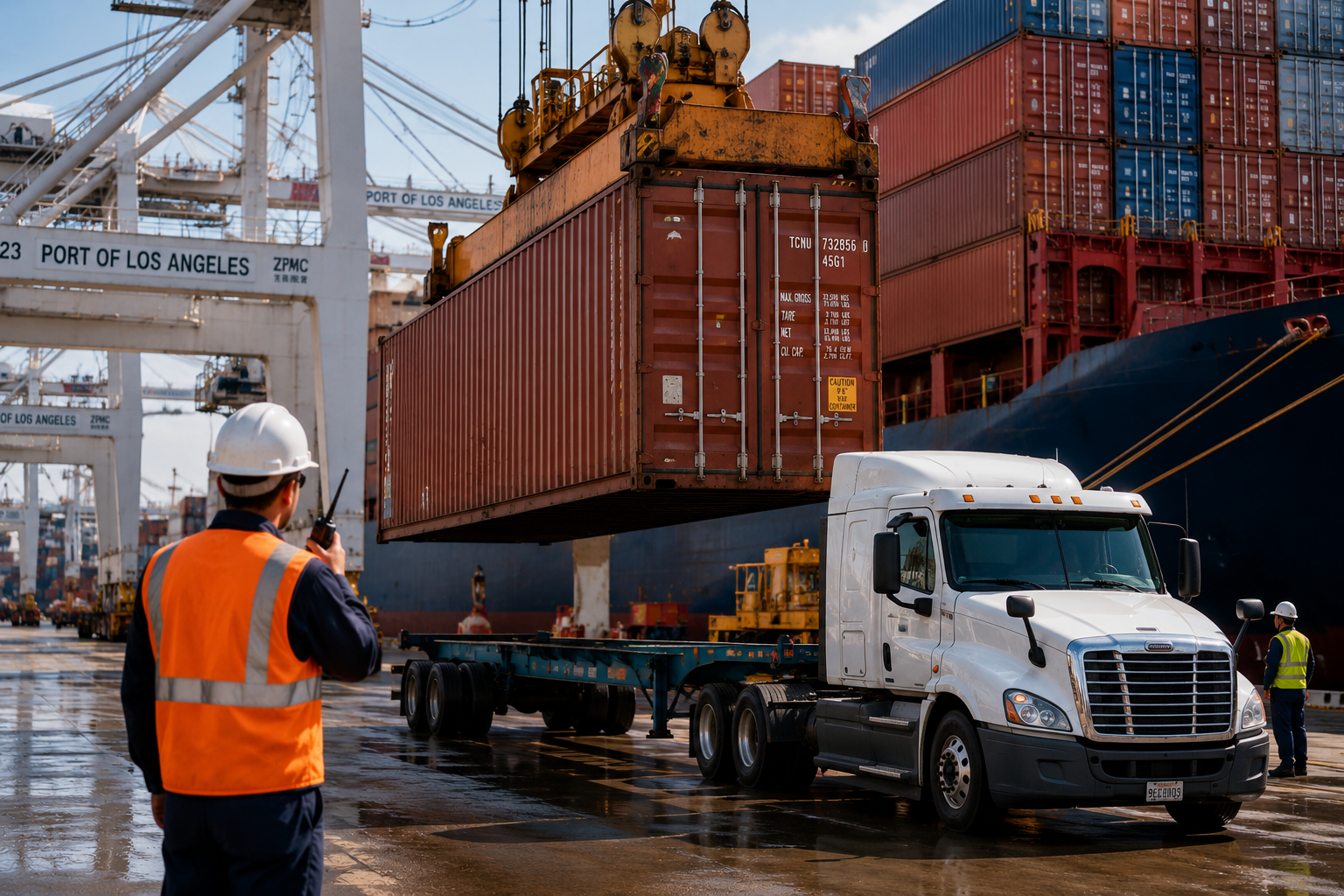
If you’re involved in importing goods, it’s important to understand how containers move from ports to warehouses, and that’s where drayage services play a key role. Often overlooked, drayage is a vital part of the supply chain that ensures cargo is transported efficiently over short distances, keeping global logistics operations running without disruption.
Drayage services involve the short-distance movement of shipping containers, usually between ports, rail terminals, and distribution centers. Although these trips may only cover a limited distance, they are an essential connection between long-haul transportation and final delivery. Even a small delay at this stage can impact the entire supply chain, resulting in added costs, storage fees, and delivery delays.
In this guide, we’ll break down what drayage services are, how they function within modern logistics, and why they are crucial for importers handling time-sensitive and high-volume shipments.
If your business depends on timely transportation, choose a partner that delivers consistently and with care. @Five Dreams Transportation Inc. in Los Angeles offers reliable logistics services across Southern California. Book your service now by calling 310-977-1345.
Understanding Drayage Services: Definition and Basics
Drayage is one of the most important yet often misunderstood parts of modern logistics. While it covers only short distances, it plays a significant role in ensuring cargo moves smoothly between different transportation points.
What Are Drayage Services?
Drayage services refer to the short-distance transportation of shipping containers between ports, rail terminals, warehouses, distribution centers, and nearby storage facilities. Instead of moving goods across the country, drayage focuses on connecting different stages of the supply chain.
For importers, this service bridges the gap between ocean shipping and inland delivery. Once a container reaches a port, it cannot continue its journey without being transported to the next location, making drayage an essential logistics function.
Why Is Drayage Important?
Without efficient drayage, imported goods would remain stuck at ports, causing congestion and increasing storage costs. Every successful international shipment depends on reliable short-distance transportation to maintain delivery schedules.
Businesses importing products regularly rely on timely drayage operations to prevent delays that could impact inventory levels and customer satisfaction.
Are you a transportation or logistics provider in the USA?
Get in front of customers who are actively searching for reliable freight and delivery services right now. List your business on Yellow Pages California to increase visibility and generate consistent, high-quality leads for your business. Click here to register.
How Drayage Works in the Supply Chain
Drayage serves as the connecting link between various transportation methods. It ensures cargo moves seamlessly from one transportation mode to another without unnecessary delays.
From Port Arrival to Warehouse
After a cargo vessel arrives at a port, containers are unloaded and temporarily stored in the terminal. A truck then collects the container and transports it to its next destination, such as a warehouse or distribution center.
This process helps importers receive goods quickly while avoiding expensive storage or detention charges at the port.
Connecting Multiple Transportation Modes
Many imported goods continue their journey by rail or long-haul trucking after leaving the port. This movement between different transportation systems is known as intermodal drayage, allowing containers to travel efficiently across long distances while minimizing handling.
Key Types of Drayage Services Explained
Different shipments require different types of drayage services depending on their destination and transportation requirements. Understanding these variations helps importers choose the right logistics solution.
Pier Drayage
Pier drayage involves transporting containers from one port terminal to another within the same port area. This movement is common when cargo must transfer between shipping lines or customs facilities.
Shuttle Drayage
Shuttle drayage occurs when containers are temporarily moved to off-site storage because terminals have reached capacity. Once space becomes available, the containers return to the port for further transportation.
Intra-Carrier Drayage
This type involves moving cargo between facilities operated by the same transportation company. It is commonly used by rail operators managing shipments across multiple terminals.
Expedited Drayage
When shipments are time-sensitive, expedited drayage prioritizes immediate transportation. This service is particularly valuable for businesses handling urgent inventory or perishable products.
Port Drayage: Moving Containers from Ports to Warehouses
Once cargo clears customs, the next priority is transporting it safely to its destination. Efficient movement at this stage helps prevent unnecessary delays throughout the supply chain.
The Role of Port Transportation
Port drayage focuses specifically on moving shipping containers from marine terminals to nearby warehouses, fulfillment centers, or rail yards. Since ports process thousands of containers daily, timely transportation is essential to avoid congestion.
Professional logistics providers coordinate pickups based on terminal schedules, appointment availability, and container release times.
Reducing Port Delays
Importers who schedule pickups promptly minimize storage fees and detention costs. Working with an experienced logistics provider ensures containers leave the port quickly and reach their next destination without unnecessary waiting.
Factors That Affect Drayage Costs
The cost of drayage varies depending on several operational and logistical factors. Understanding these expenses allows importers to budget more accurately and avoid unexpected charges.
Distance and Travel Time
Although drayage typically covers short distances, longer routes naturally result in higher transportation costs. Traffic congestion, road conditions, and fuel prices can also affect overall pricing.
Port Fees and Equipment Charges
Ports may impose terminal handling charges, chassis rental fees, appointment costs, or storage fees. If containers remain at the port beyond the allowed free time, importers may incur additional detention or demurrage charges.
Seasonal Demand
Shipping activity often increases during peak import seasons. Higher demand for trucks and drivers can temporarily increase transportation rates, making advance planning especially important.
Why Importers Depend on Drayage Services
Reliable drayage supports every stage of the importing process by ensuring containers move efficiently between transportation hubs. It helps businesses maintain inventory levels while reducing costly shipping disruptions.
Faster Cargo Movement
Efficient transportation keeps shipments moving according to schedule. Quick container transfers reduce waiting times and improve overall supply chain performance.
Businesses handling retail inventory, manufacturing materials, or seasonal products benefit significantly from faster delivery timelines.
Better Supply Chain Visibility
Many logistics providers offer real-time shipment tracking, allowing importers to monitor cargo from pickup through delivery. This visibility helps businesses make informed inventory decisions and respond quickly if delays occur.
Lower Operational Costs
Reliable transportation minimizes detention fees, warehouse delays, and emergency shipping expenses. Over time, efficient logistics operations contribute to improved profitability and customer satisfaction.
How to Choose the Right Drayage Company
Selecting the right logistics partner directly affects delivery performance, operational efficiency, and overall transportation costs. Importers should evaluate providers carefully before making a decision.
Industry Experience
An experienced drayage company understands port procedures, customs requirements, terminal scheduling, and local transportation regulations. Their knowledge helps reduce delays and improve shipment reliability.
Equipment and Driver Availability
Reliable providers maintain modern vehicles, sufficient chassis availability, and qualified drivers capable of handling different cargo types. This ensures containers can be transported promptly when released from the port.
Technology and Communication
Choose a logistics provider that offers shipment tracking, digital documentation, and proactive communication. These features improve transparency and help businesses stay informed throughout the transportation process.
Best Practices for Efficient Drayage Management
Successful importers actively manage drayage operations instead of reacting to delays. Proper planning reduces costs while improving delivery performance.
Schedule Shipments Early
Booking transportation in advance helps secure truck availability during busy shipping seasons. Early scheduling also reduces the risk of missed terminal appointments.
Maintain Accurate Documentation
Incorrect paperwork can delay container releases and create additional charges. Ensure customs documents, bills of lading, and delivery instructions are complete before cargo arrives.
Improve Coordination Across Partners
Effective communication between importers, customs brokers, warehouses, and logistics providers helps prevent misunderstandings and unnecessary delays.
Businesses using drayage trucking services should maintain regular communication with all supply chain partners to ensure smooth operations from pickup to final delivery.
Monitor Shipment Performance
Tracking delivery times, transportation costs, and recurring issues allows businesses to identify opportunities for improvement. Performance reviews help create a more efficient logistics strategy over time.
Conclusion: The Importance of Drayage in Modern Importing
Although drayage covers only a short portion of a shipment's journey, it has a major impact on the success of international logistics. Efficient container drayage ensures cargo moves quickly between ports, warehouses, rail terminals, and distribution centers, reducing delays and controlling costs.
As global trade continues to grow, businesses must invest in reliable container transportation solutions that integrate seamlessly with broader freight transportation networks. Choosing an experienced logistics provider, planning shipments carefully, and maintaining clear communication throughout the supply chain will help importers improve efficiency, reduce expenses, and keep goods moving on schedule.
Whether you're importing a few containers each month or managing high-volume international shipments, understanding how drayage works is an important step toward building a more reliable and resilient supply chain.
FAQs About Drayage Services
What is the difference between drayage and trucking?
Drayage refers to the short-distance transportation of shipping containers between ports, rail terminals, warehouses, and distribution centers. Trucking generally involves transporting freight over much longer distances, often across states or regions. Drayage is typically one step within the broader trucking and logistics process.
How much do drayage services cost?
The cost of drayage services depends on several factors, including the pickup and delivery distance, port fees, chassis availability, fuel prices, container size, and any detention or storage charges. Rates can also increase during peak shipping seasons when demand is high.
Why are drayage services important for importers?
Drayage services help importers move containers quickly from ports to warehouses or rail terminals, preventing costly delays and storage fees. Efficient drayage keeps the supply chain moving, improves inventory management, and ensures products reach customers on time.
What documents are required for drayage transportation?
Most drayage shipments require a bill of lading, delivery order, container release documentation, customs clearance paperwork, and terminal appointment information. Having accurate documentation helps avoid delays and ensures smooth container pickup and delivery.
How do I choose the best drayage service provider?
Look for a provider with experience handling port operations, a strong safety record, modern equipment, real-time shipment tracking, transparent pricing, and responsive customer support. A reliable drayage partner can significantly improve delivery efficiency while reducing transportation costs.
Suggestions