
Emily Johnson
Firewood Suppliers: 7 Tips for Finding a Reliable Supplier
Firewood Supplier
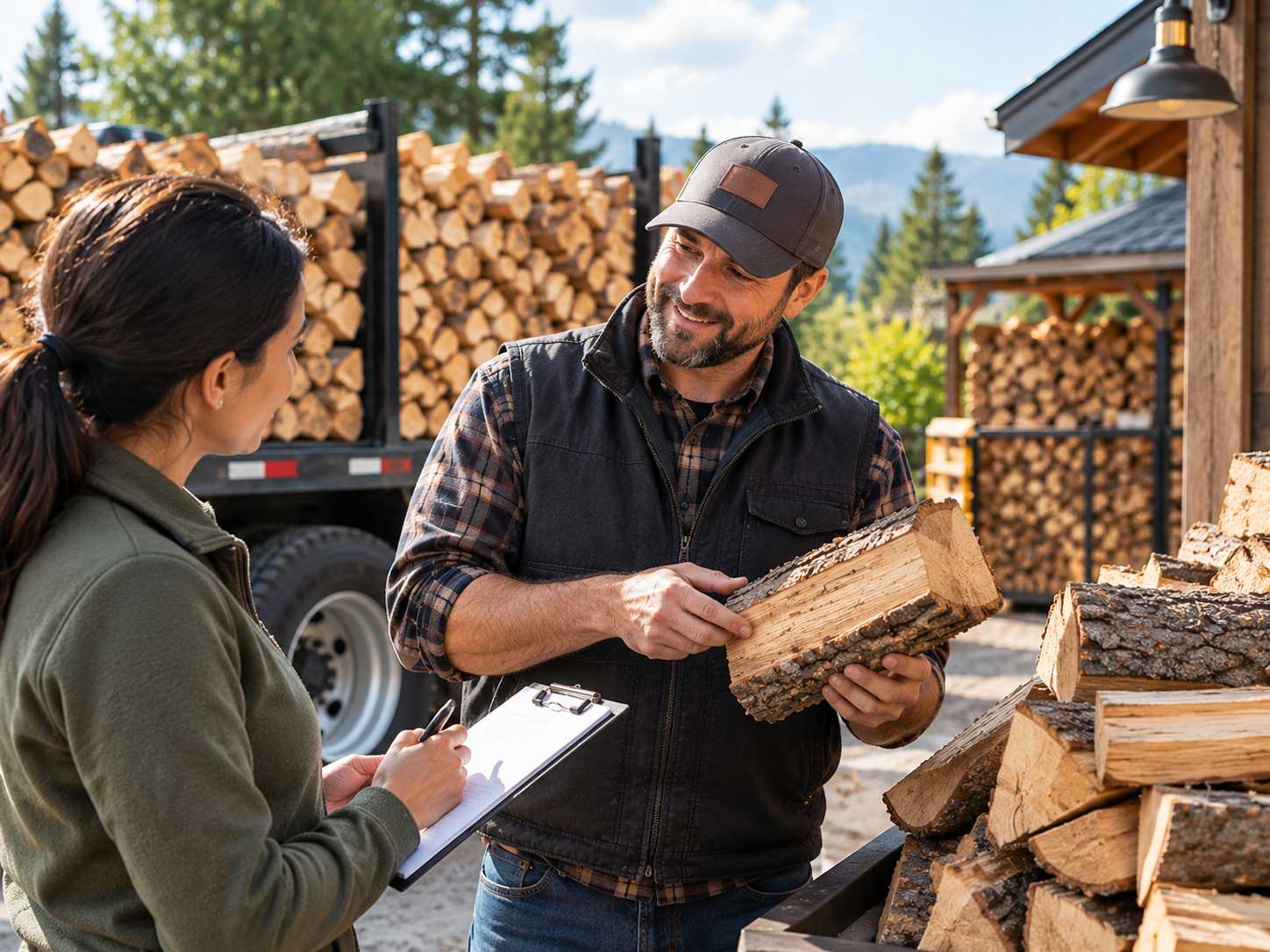
Firewood is commonly used for home heating, fireplaces, fire pits, outdoor cooking, and commercial applications. The type, moisture content, size, and condition of the wood can affect how efficiently it burns and how much heat it produces. For this reason, choosing the right firewood is just as important as finding a convenient source.
It is also important to understand how firewood is seasoned and stored. Properly seasoned wood generally contains less moisture, making it easier to light and helping it burn more efficiently. Checking whether a supplier offers different wood varieties, consistent measurements, and suitable storage practices can help you determine whether the firewood meets your requirements.
Before placing an order, consider factors such as the supplier’s experience, customer feedback, delivery coverage, pricing, wood quality, and ordering terms. This guide covers 7 practical tips for finding a reliable firewood supplier, giving you useful points to consider before choosing a supplier for your firewood needs.
1. Understand Your Firewood Needs
Before contacting any firewood supplier, it helps to have a clear picture of how you plan to use the wood. Heating a home through winter, running a weekend fire pit, or supplying a restaurant's wood-fired oven each calls for different wood types, quantities, and delivery schedules.
Identify Your Primary Use Case
Fireplaces and wood stoves generally burn best with dense hardwoods that produce long, steady heat, while fire pits and outdoor cooking often work well with a mix of hardwood and softwood depending on the flavor or burn speed desired. Commercial kitchens and smokehouses may need a consistent, food-safe wood supply with predictable delivery cycles.
Estimate Quantity and Frequency
Think about how much wood you typically go through in a season and how often you're comfortable reordering. A household using a fireplace a few nights a week has very different needs than a property relying on wood as a sole heat source. Knowing this in advance makes it easier to compare offers from a local firewood supplier or a larger regional firewood supply company.
Are you a Firewood supplier in California? Get found by families searching right now.
Winter is when demand for firewood spikes, make sure your business shows up when local customers go looking. List your business on Yellow Pages California and get discovered by people searching for seasoned firewood, bulk orders, and reliable delivery near them. Click here to register and start growing your customer base.
2. Check the Quality and Type of Firewood
Not all wood burns the same way, so it's worth understanding what a supplier actually offers before you commit to an order. Wood species, log size, and overall condition all influence heat output, burn time, and how much smoke or creosote buildup you can expect.
Compare Hardwood and Softwood Options
Hardwoods such as oak, maple, hickory, and ash tend to burn longer and hotter, making them a popular choice for sustained heating. Softwoods like pine and fir ignite quickly and are often used for kindling or quick-burning outdoor fires. A supplier that lists firewood for sale by species, rather than a generic "mixed wood" bundle, makes it easier to match the wood to your intended use.
Inspect Log Size and Condition
Ask whether logs are split to a consistent length and diameter, since oddly sized pieces can be harder to stack, store, and burn evenly. Logs that show signs of rot, insect damage, or excessive bark shedding are generally lower quality and should be avoided, regardless of price.
3. Ask About Seasoning and Moisture Content
Freshly cut, or "green," wood contains a high amount of internal moisture and is difficult to light, produces more smoke, and burns less efficiently. Seasoning allows that moisture to dry out over time, resulting in wood that lights more easily and burns cleaner.
Understand the Seasoning Timeline
Most hardwoods need to season for six months to a year, or sometimes longer, depending on the species and how the wood was stored during drying. A trustworthy seasoned firewood supplier should be able to tell you roughly how long their wood has been drying and how it was stacked to allow airflow.
Ask for Moisture Readings
Some suppliers test moisture content with a handheld meter and can share approximate readings, with well-seasoned wood typically falling in the 20% range or lower. If a seasoned firewood delivery arrives visibly damp, unusually heavy, or produces a hissing sound when burned, that's often a sign the wood wasn't dried long enough.
4. Compare Firewood Prices and Quantities
Firewood pricing can vary widely depending on wood species, how it's measured, and whether you're ordering a small bundle or a large volume. Comparing quotes from a few sources helps you understand what a fair price looks like in your area.
Understand Common Measurement Units
Firewood is typically sold by the cord, half cord, face cord, or by the truckload, and these terms aren't always used consistently between suppliers. Before comparing prices, confirm exactly how much wood each unit represents so you're comparing equivalent quantities rather than mismatched measurements.
Look Into Bulk Ordering Discounts
If you go through a large volume of wood each season, working with a bulk firewood supplier may bring the per-unit cost down significantly compared to smaller, repeated orders. Many companies that handle bulk firewood delivery also offer scheduled seasonal drops, which can be useful for households or businesses with predictable, high-volume needs.
5. Review Delivery Options and Service Areas
Even good-quality wood isn't very useful if getting it to your property is inconvenient or unreliable. It's worth understanding how a supplier handles delivery before placing an order, especially if you need wood on a recurring basis.
Confirm Delivery Radius and Timing
Ask how far the supplier delivers, how far in advance you need to place an order, and whether they offer rush or same-week options during busy seasons. Searching for a firewood delivery near me option can help narrow down suppliers who service your specific area rather than ones who only cover a limited nearby radius.
Ask About Placement and Stacking Services
Some companies offer a full firewood delivery service that includes stacking the wood where you want it, while others simply drop the load at the curb or driveway. If stacking assistance matters to you, confirm whether it's included or offered as an add-on before the order is finalized.
6. Check Supplier Experience and Customer Reviews
How long a supplier has been operating, and what past customers say about them, can tell you a lot about what to expect. Experience often translates into more consistent wood quality, clearer communication, and fewer delivery surprises.
Look at Online Reviews and Ratings
Search review platforms, local community groups, and business directories to see what other customers say about wood quality, delivery reliability, and customer service. Patterns across multiple reviews, whether positive or negative, tend to be more telling than a single comment.
Ask for Referrals or Local Recommendations
Neighbors, local hardware stores, and community forums can be good sources for recommending a local firewood supplier they've used directly. Personal referrals often surface details, like whether deliveries run late or wood is consistently well-seasoned, that don't always show up in online reviews.
7. Ask About Ordering, Storage, and Availability
Beyond wood quality and pricing, it helps to understand how a supplier handles the practical side of ordering, from placing your first request to keeping wood in stock through the season.
Clarify Ordering Methods and Lead Times
Find out whether the supplier takes orders by phone, online, or in person, and how far ahead you should plan, especially heading into colder months when demand for firewood supply tends to spike. Suppliers with an easy, predictable ordering process are generally easier to work with long-term.
Ask About Seasonal Availability
Wood species and stock levels can shift throughout the year, so it's worth asking whether your preferred type will be available when you need it or if you should place a standing seasonal order. Suppliers who plan ahead for peak demand are less likely to run short right when customers need firewood most.
Final Checklist for Choosing a Reliable Firewood Supplier
Before finalizing your decision, it can help to run through a short checklist that pulls together everything covered above:
- Confirm the wood type matches your intended use (heating, fire pit, cooking, or commercial).
- Ask about seasoning time and, if possible, request a moisture reading.
- Compare pricing using consistent units, such as a full cord or half cord.
- Check whether bulk pricing is available if you order large quantities.
- Confirm the delivery area, timing, and whether stacking is included.
- Read recent customer reviews and ask for local referrals.
- Clarify ordering methods, lead times, and seasonal availability.
Working through these points before you order can help you avoid common issues like damp wood, inconsistent measurements, or missed delivery windows.
FAQs About Firewood Suppliers
How much does a cord of firewood typically cost?
Prices vary by region, wood species, and seasoning, but a full cord commonly ranges from around $200 to $500 or more. Hardwoods and pre-seasoned wood are usually priced higher than green or softwood options.
How can I tell if firewood is properly seasoned?
Seasoned wood is generally lighter in weight, has visible cracks radiating from the center of the cut ends, sounds hollow when two pieces are knocked together, and has a grayish, dull appearance rather than fresh-cut coloring.
What is the best type of wood for a fireplace?
Dense hardwoods like oak, hickory, maple, and ash are popular choices for fireplaces because they burn longer and produce more consistent heat compared to softer woods.
How far in advance should I order firewood before winter?
Ordering a few months ahead, ideally in late summer or early fall, is generally recommended so the wood has time to be delivered and, if needed, finish seasoning before cold weather sets in.
Is it cheaper to buy firewood in bulk?
Buying larger quantities at once often reduces the per-unit cost compared to repeated small purchases, though it does require adequate storage space to keep the wood dry and off the ground.
Suggestions