
Olivia Claymore
Best Roofing Contractors: How to Find Reliable, Affordable Roofing Services
Roofers
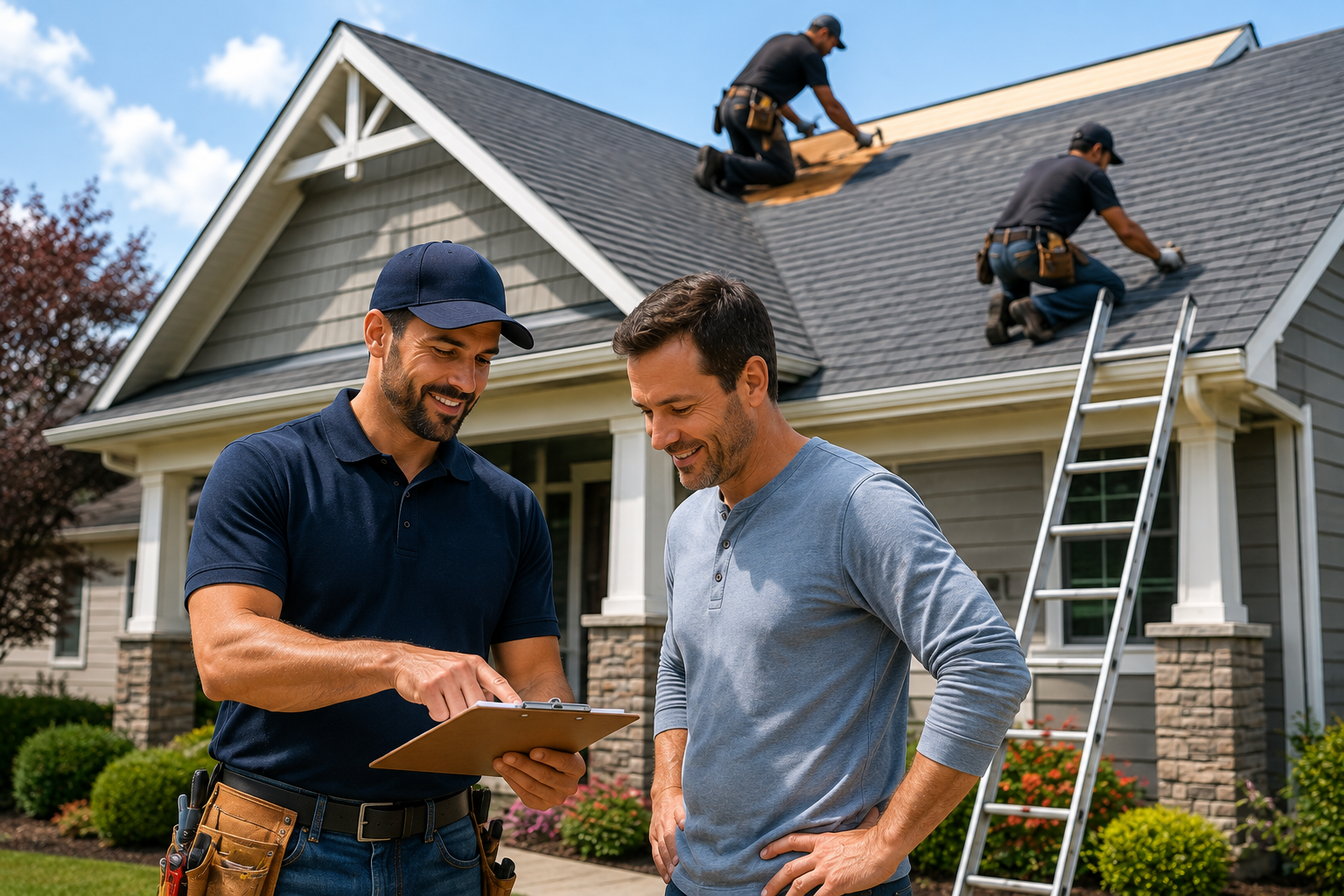
Roofing contractors provide services such as roof inspections, repairs, maintenance, replacements, and new roof installations. Choosing a qualified contractor is important because proper roofing work helps protect a building from water damage, weather conditions, and structural problems. Homeowners should understand the contractor’s experience, services, and qualifications before making a decision.
When comparing roofing contractors, check for appropriate licensing, insurance, warranties, and verified customer reviews. It is also useful to request written estimates from several contractors and compare labor costs, materials, project timelines, and warranty coverage. A reputable contractor should clearly explain the recommended work and provide transparent pricing without unexpected charges.
Affordable roofing services should balance cost with quality and long-term durability. Choosing the lowest estimate may not always provide the best value. Reliable contractors use suitable materials, follow safety standards, communicate clearly, and complete projects professionally. Researching these factors can help homeowners select the best roofing services that meet their needs and budget.
What Makes a Roofing Contractor Reliable?
A dependable contractor is defined less by advertising and more by consistency, showing up on schedule, honoring the original estimate, and standing behind the work once it's finished. Reliability shows up in small details, like how clearly a company answers questions or how quickly they respond after the project ends.
Consistent Communication and Transparency
Reliable roofing contractors explain the scope of work, the materials being used, and the expected timeline before any work begins. They avoid vague language and are willing to put details in writing rather than relying on verbal promises alone.
Proven Track Record and Local Reputation
A contractor's history in the community says a lot about how they treat customers. Checking how long a company has operated locally, along with patterns in customer feedback, gives a realistic picture of what to expect.
Proper Licensing and Insurance Coverage
Reliability also depends on compliance. A contractor carrying valid licensing and insurance protects homeowners from liability if an accident or property damage occurs during the project.
Want More Customers to Find Your Roofing Business?
Give your business greater visibility among local customers searching for trusted roofing services. List your business on Yellow Pages California and make it easier for potential customers to discover and contact you. Click here to register.
How to Find the Best Roofing Contractors
Finding the best roofing contractors starts with combining online research with personal referrals. Homeowners benefit from cross-checking multiple sources rather than relying on a single review site or advertisement.
Ask for Referrals from Neighbors and Family
Personal recommendations often reveal details that online listings don't, such as how a crew handled cleanup or unexpected issues. Neighbors who had similar roofing work done recently can offer especially relevant insight.
Research Local Roofing Contractors Online
Searching for local roofing contractors allows homeowners to compare businesses that understand regional weather patterns, building codes, and permit requirements specific to their area.
Check Trade Associations and Manufacturer Directories
Many roofing material manufacturers maintain directories of certified installers. Being listed often means the contractor has completed manufacturer-specific training, which can also affect warranty eligibility.
Key Services Offered by Roofing Contractors
Roofing companies typically offer a range of services beyond simple repairs. Understanding what's available helps homeowners choose a contractor whose expertise matches their specific project.
Residential and Commercial Roofing Services
Residential roofing contractors focus on single-family homes and smaller structures, while commercial roofing contractors handle larger, flat, or low-slope roofs found on offices, warehouses, and retail buildings. The materials, equipment, and code requirements differ significantly between the two.
Roof Repair and Roof Replacement Contractors
Roof repair contractors address localized issues like leaks, damaged shingles, or flashing problems, while roof replacement contractors manage full tear-offs and new roof installations when a roof has reached the end of its lifespan.
Roof Inspection and Roof Maintenance Services
Roof inspection services identify existing or developing problems, often after storms or as part of a routine check. Roof maintenance services extend a roof's lifespan through periodic upkeep like debris removal, sealant checks, and minor repairs before they become larger problems.
Emergency Roofing Repairs
Emergency roofing contractors respond quickly to sudden damage from storms, falling trees, or other events that leave a home exposed to the elements, often providing temporary tarping before permanent repairs begin.
How to Check a Roofing Contractor's Credentials
Verifying credentials is one of the most important steps before signing any contract with roofing contractor. It confirms that a contractor is legally authorized to work and financially accountable if something goes wrong.
Verify State Licensing Requirements
Licensing requirements vary by state, so homeowners should confirm a contractor's license number through their state's contractor licensing board. This step verifies that the business meets minimum legal and competency standards.
Confirm Liability Insurance and Workers' Compensation
Requesting a certificate of insurance directly from the contractor's insurer, rather than accepting a copy, confirms coverage is active. This protects homeowners from being held responsible for on-site injuries or property damage.
Review Manufacturer Certifications and Warranties
Some manufacturers only extend enhanced warranty coverage to certified installers. Asking whether a contractor holds these certifications can indicate a higher level of training and product knowledge.
How to Compare Roofing Quotes and Prices
Comparing quotes properly means looking beyond the bottom-line number. Two estimates for the same job can differ significantly based on materials, labor practices, and what's included in the scope of work.
Request Multiple Written Estimates
Getting at least three written estimates allows homeowners to identify pricing patterns and spot outliers, whether unusually high or suspiciously low, before making a decision.
Compare Materials, Labor, and Timeline Details
A thorough quote breaks down material costs, labor charges, and an estimated project timeline separately. This makes it easier to see exactly where the money is going and to compare like-for-like across contractors.
Understand What's Included in the Warranty
Warranties can cover materials, workmanship, or both, and coverage periods vary widely. Clarifying what a warranty actually protects helps prevent confusion if issues arise after the project is complete.
What to Look for in Affordable Roofing Services
Affordable doesn't have to mean lower quality. It means finding a contractor who delivers affordable roofing services with solid workmanship and durable materials at a price that reflects fair, competitive market rates.
Balancing Cost with Quality Materials
Choosing mid-range materials with a strong performance history often provides better long-term value than the cheapest option available, which may need replacing sooner.
Avoiding Contractors with Unusually Low Bids
An estimate that's significantly lower than others can be a warning sign of corner-cutting, uninsured labor, or hidden costs that appear later in the project.
Financing and Payment Plan Options
Many professional roofing contractors offer financing plans that make quality roofing more accessible without forcing homeowners to choose the cheapest possible option out of budget necessity.
Questions to Ask Before Hiring a Roofing Contractor
Asking the right questions upfront can prevent miscommunication and costly surprises once work has already started.
Questions About Experience and Past Projects
Homeowners can ask how long the company has been in business, how many similar projects they've completed, and whether they can provide references from recent customers.
Questions About Materials and Installation Methods
It helps to ask which specific materials will be used, why they're recommended for the property, and how the installation process will be carried out.
Questions About Timeline and Payment Schedule
Clarifying the expected start and completion dates, along with the payment schedule, helps homeowners plan accordingly and avoid being asked for full payment before work is finished.
Conclusion: Finding Quality Roofing at the Right Price
Selecting from among the best roofing contractors takes research, but it doesn't have to be complicated. Verifying licensing and insurance, comparing multiple written estimates, checking reviews, and asking direct questions all help homeowners avoid costly mistakes. A reliable contractor communicates clearly, uses quality materials, and stands behind their work with a solid warranty. By balancing cost with craftsmanship, homeowners can find roofing services that protect their property and deliver lasting value for years to come.
FAQs About Roofing Contractors
How much does a new roof cost in the USA?
Roof replacement costs vary widely based on roof size, materials, and location, but most homeowners can expect a broad range depending on whether they choose asphalt shingles, metal, or other premium materials. Getting a written estimate from a local contractor gives the most accurate number for a specific property.
How long does a roof replacement take?
Most residential roof replacements take one to three days, depending on the size of the roof, weather conditions, and the complexity of the project, while larger or steeper roofs may take longer.
How do I know if my roof needs to be repaired or replaced?
A roof may only need repair if damage is localized, such as a few missing shingles or a small leak. Widespread wear, multiple leaks, sagging, or a roof nearing the end of its expected lifespan usually points toward replacement.
Does homeowners insurance cover roof repairs?
Coverage depends on the cause of the damage. Insurance typically covers sudden events like storms or falling debris, while damage from age, neglect, or lack of maintenance is usually not covered.
How often should a roof be inspected?
Most experts recommend a professional roof inspection at least once a year, along with additional inspections after major storms or severe weather events.
Suggestions
Emma Brown